Blog

  • Checkmate India: The New Capital of Global Chess

    In recent years, chess in India has transcended hobby status to become a major sport, with both mass participation and top-tier international success. What was once the journey of a few talented individuals has become a movement involving hundreds, supported by infrastructure, visibility, and inspiring role models. This blog explores how that happened, who is leading now, what makes India’s growth interesting, and what challenges remain.

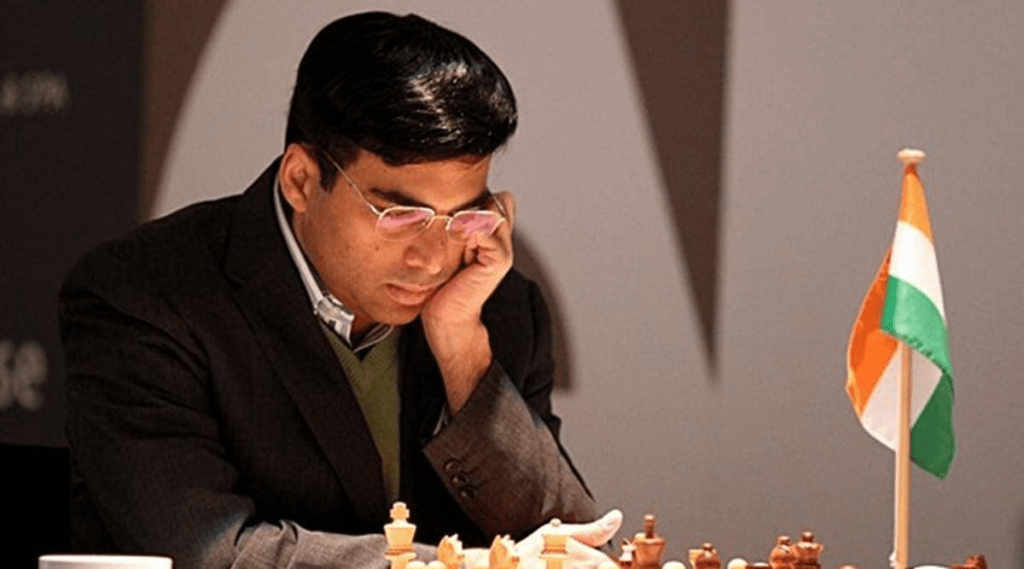
    Viswanathan Anand: Catalyst & Legacy

    • First GM, first world champion: Anand became India’s first Grandmaster (GM) in 1988 and later became World Champion multiple times. His international successes ignited interest in chess across India.
    • Role model and mentor: Nicknamed the “Tiger of Madras,” he inspired a generation with his humility. Not just his achievements, but also his style—speed, adaptability, and calm under pressure—became something for the next generation to emulate.
    • Infrastructure influence: Anand’s success encouraged investment—chess academies, sponsorships, and media coverage—that enabled younger players to get coaching, exposure, and tournament experience earlier.
    What’s Driving the Boom: Key Factors & Nuances

    Several interlinked factors explain why India is not just producing more players but stronger players more consistently.

    1. Early exposure and talent spotting
      Many of the current top players began very young, often between ages 5 and 8. Schools, local clubs, and online platforms have played roles in identifying and nurturing talent early.
    2. Better coaching, international exposure
      Access to strong trainers (both Indian and foreign), participation in international tournaments, and exposure to different styles—all help improve not just skill but also competitive temperament.
    3. Role models forming the feedback loop
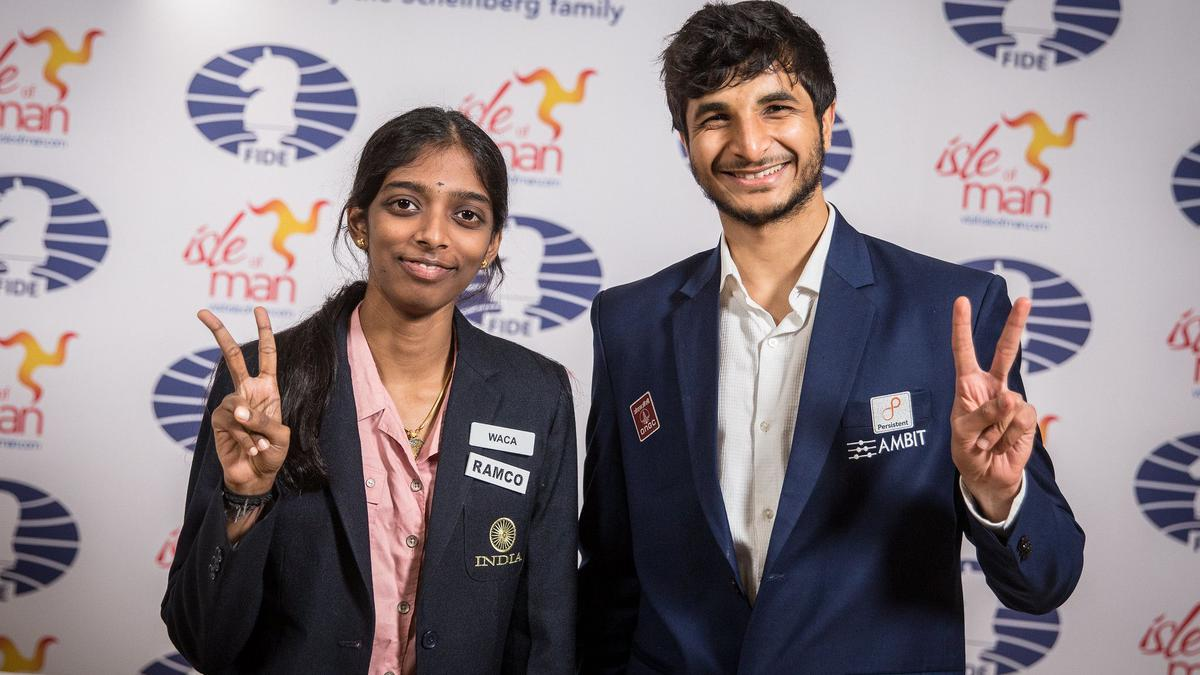
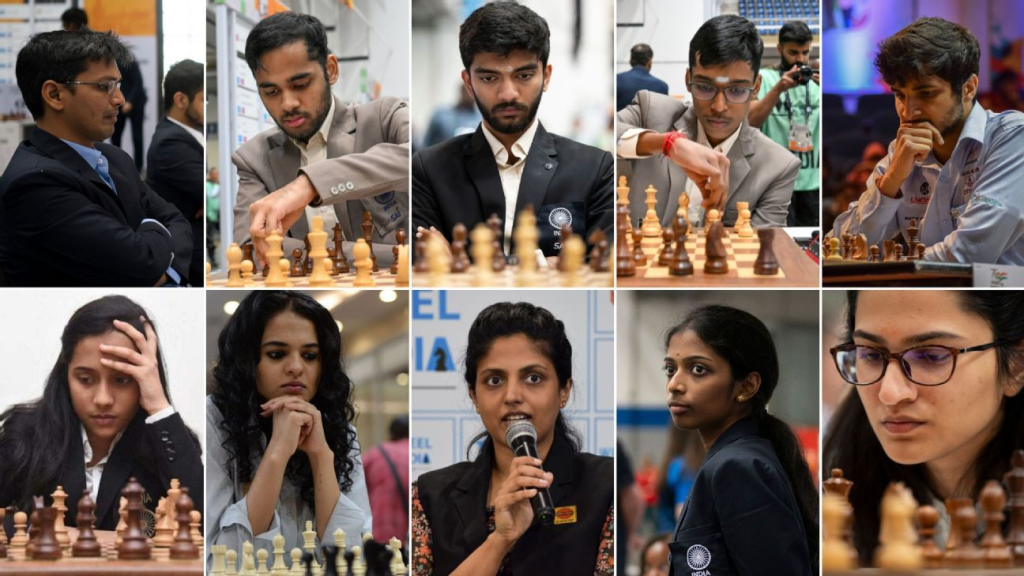
      Anand showed it’s possible; following him, players like Pentala Harikrishna, Vidit Gujrathi, Koneru Humpy, and H. Dronavalli broke new ground; now Gukesh, Pragg, Vaishali, Nihal, Divya, and Arjun are creating further inspiration. Young players see a visible path.
    4. Media and digital platforms
      Streaming, YouTube commentary, online tournaments, Chess.com/Lichess, etc., have made chess more visible and more accessible. It makes training more democratic and allows amateurs to learn from top matches.
    5. Institutional support
      Government/state recognition, sponsorships, chess federations investing in talent, and events being hosted in India (e.g., Olympiad, Grand Prix, etc.) all assist in building infrastructure and motivation.
    6. Women’s chess taking a leap
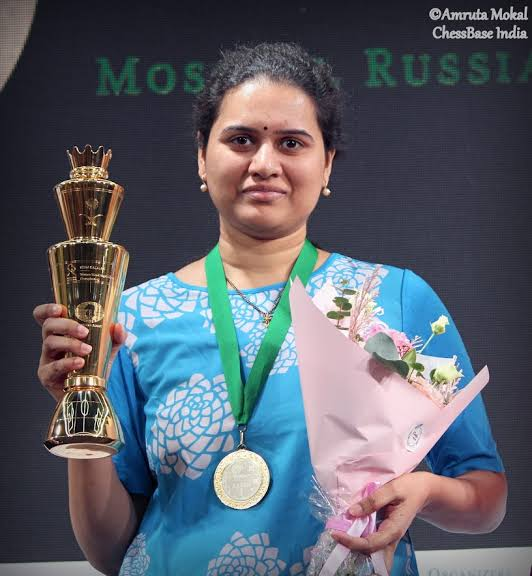
      The recent wins by Koneru Humpy, and especially Divya Deshmukh becoming the 4th Indian woman GM by virtue of winning the Women’s World Cup, are important. They not only bring titles but also shift perceptions and encourage more girls to take the game seriously.
    Challenges ahead

    • Balancing quality & quantity: Generating GMs is good; sustaining competitive performance at top levels across many players is harder. Some players have peaks, but consistency matters.
    • Support & funding: Players from smaller towns or rural areas may lack access to strong coaching, tournaments, or financial backing.
    • Gender disparity: Though women’s chess has made strides, there are still far fewer women GMs, lower visibility, and often unequal support.
    • Mental toughness & psychology: High-stakes games, pressure from expectations, fatigue, etc. Top players often talk about mental coaching, but many promising young talents may falter without it.
    • Infrastructure outside major hubs: Centers like Chennai, Delhi, Kolkata, Mumbai, Pune have better access; other states and cities need stronger grassroots systems, regular tournaments, etc.

    Interesting Nuggets & Insights

    • Divya Deshmukh’s GM title is particularly noteworthy because she earned it directly by winning the Women’s World Cup, bypassing the traditional route of norms & rating thresholds. That’s rare and shows how performance in big events is being rewarded more systematically now.
    • Koneru Humpy’s win in the 2024 Women’s World Rapid marks her second world rapid title, putting her among the top-performing Indian women in world chess in terms of major titles.
    • R. Vaishali became the winner of the FIDE Grand Swiss in 2023 and 2025, cementing her status as a top global contender.
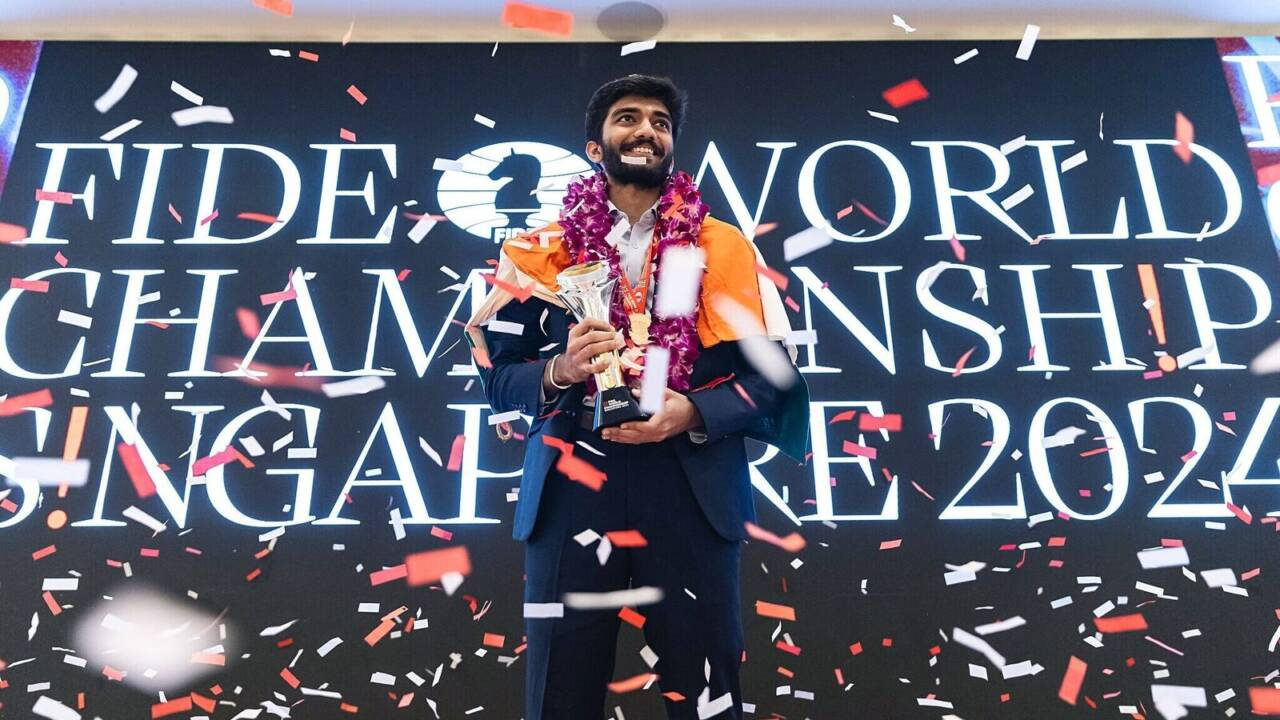
    • Gukesh becoming World Champion in 2024 is historic: he became the youngest undisputed World Chess Champion. That changes what “young” means in chess.
    • The performance hierarchy among Indian chess prodigies has become dynamic—R. Praggnanandhaa, Arjun Erigaisi, and D. Gukesh have all consistently held places in the world’s top 10 FIDE ratings. This fluid shift underscores India’s incredible depth in talent, proving it is not just about one superstar but a generation of elite contenders.

    Global Chess Landscape: The Old Guard vs The New Wave

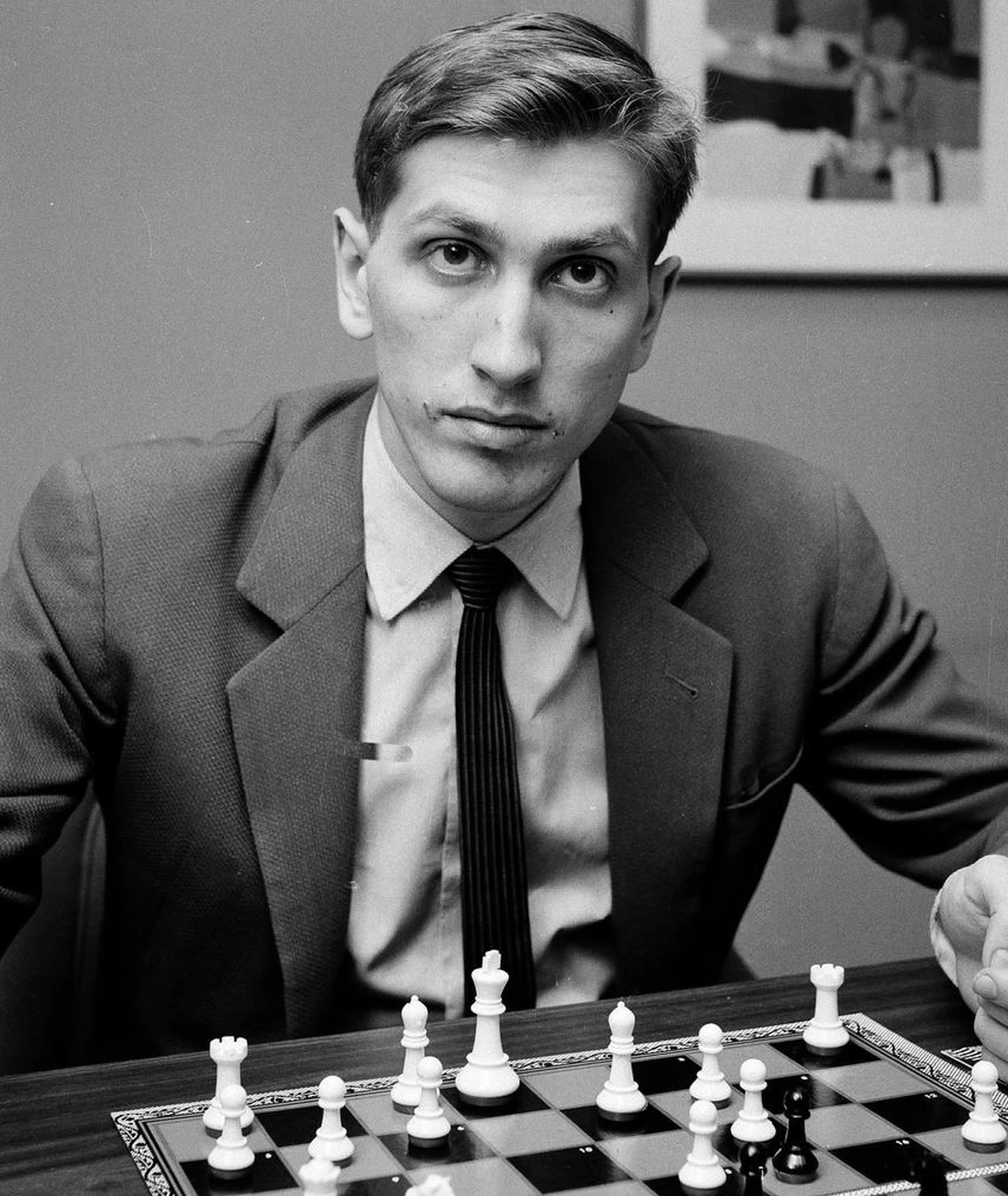
    It would be naïve to think India already rules unchallenged. Chess, after all, has been shaped by generations of legends whose brilliance defined eras. Bobby Fischer’s fiery genius in the 1970s not only popularized chess in America but also made the game a Cold War battleground. Garry Kasparov, with his relentless dominance from the 1980s into the 2000s, redefined what it meant to be a world champion, while Mikhail Tal, the “Magician from Riga,” showed how audacity and creativity could stun even the strongest opponents.

    In the current era, Magnus Carlsen (Norway) stands as the greatest of his generation—a genius whose positional mastery and nerves of steel make him a towering figure across all formats. Hikaru Nakamura (USA), meanwhile, has bridged elite play with mass popularity, becoming both a world-class contender and the internet’s most influential chess streamer.

    But the difference now? Indians are consistently pushing them.

    Against this backdrop, India’s “new wave”—isn’t just participating but challenging this old guard. They are proving that the future of chess may well be written in Indian ink.


    A New Era of Collective Brilliance

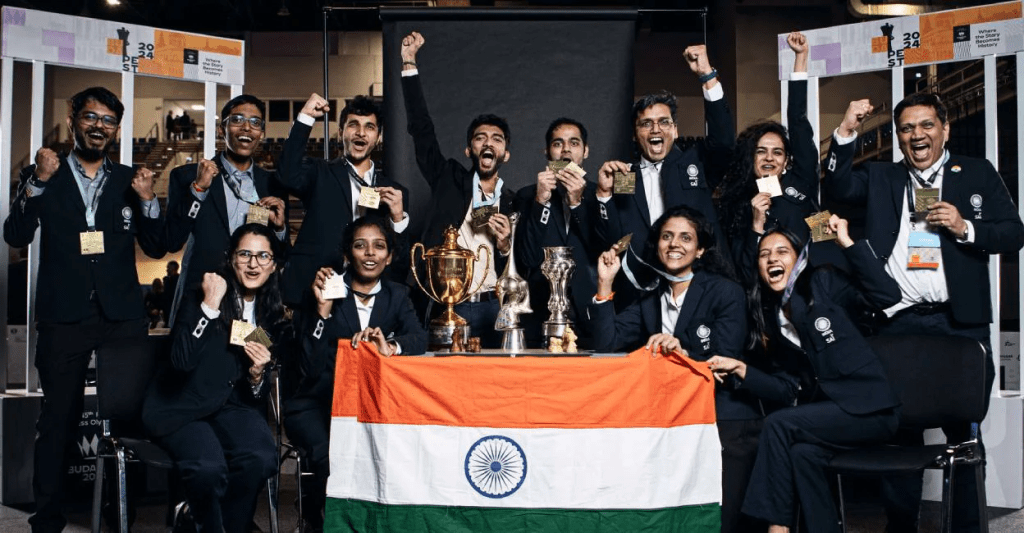
    “India’s dominance in chess has also been reflected in team events. The nation scripted history by winning the FIDE World Chess Cup in both the men’s and women’s categories, a feat that underlined its all-round strength and depth. For decades, India was seen as a land of individual brilliance through Vishy Anand, but today the collective triumph of its teams shows that the country has truly become a powerhouse of chess, capable of competing with—and defeating—the traditional giants of the sport
    The Dawn of a New Chess Era

    Indian chess today stands at a defining moment. From the legendary rise of Viswanathan Anand to the fearless new generation led by Gukesh, Praggnanandhaa, Arjun, Vidit, Nihal, Vaishali, Divya, and Koneru Humpy, the journey has been nothing short of remarkable. With India now producing champions across formats and even conquering team events, the country is no longer just participating in the global chess narrative—it is shaping it. While Magnus Carlsen and Hikaru Nakamura still guard the summit, the wave of Indian talent is steadily climbing, threatening to redefine the world order. The board is set, the pieces are in motion, and the coming years may well belong to India—the new hub of world chess.
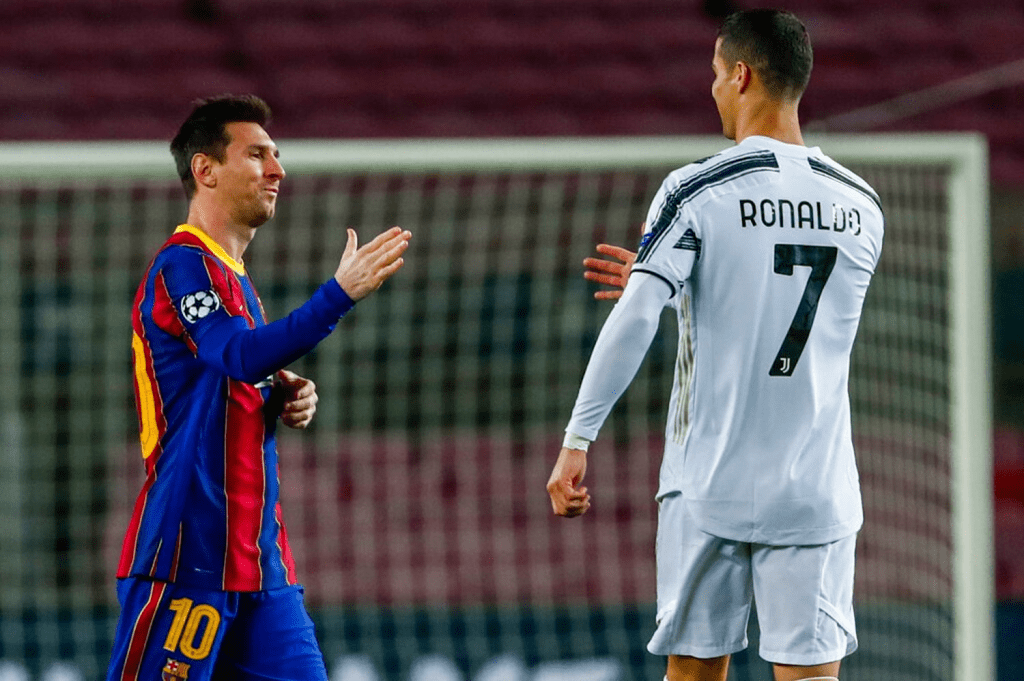

  • Messi vs Ronaldo: The Game Within the Game

    There’s a reason even non-football fans know their names. Whether you watch football religiously or casually scroll past it on your feed, Lionel Messi and Cristiano Ronaldo have become more than athletes—they are symbols of greatness, persistence, and passion. And if you’ve ever been stuck in a debate at a chai tapri or a WhatsApp group fight about who’s the GOAT, welcome to the most iconic sports rivalry of the 21st century.
    But before the Ballon d’Ors, Instagram followers, or El Clasico battles, let’s rewind and understand where it all began.

    Humble Beginnings: From Rosario & Madeira to Global Icons

    Lionel Messi was born in Rosario, Argentina—a shy boy with a big dream and a bigger obstacle. Diagnosed with a growth hormone deficiency, young Leo’s career seemed uncertain until FC Barcelona offered to fund his treatment and nurture his talent. From La Masia (Barça’s youth academy) to Camp Nou, Messi evolved into the club’s heartbeat, blending creativity, balance, and magic into every touch.

    Cristiano Ronaldo, on the other hand, grew up in Madeira, Portugal. His childhood was marked by hardship, grit, and relentless ambition. At just 12, he left home to train in Lisbon, facing loneliness and bullying. Called a “crybaby” for his emotional reactions, he channeled that pain into determination. Spotted by Sporting Lisbon and then brought to Manchester United by Sir Alex Ferguson, Ronaldo worked obsessively on his physique, speed, and skills, transforming himself from a showy winger to a goal machine.

    What makes this comparison so electrifying is that they represent two different philosophies of football:
    Messi, the gifted artist & Ronaldo, the engineered athlete.

    El Clasico & Beyond: A Rivalry That Shook the World

    The rivalry hit its peak when Messi donned the Blaugrana of Barcelona and Ronaldo the royal white of Real Madrid. Every El Clásico between 2009 and 2018 wasn’t just Barça vs Real—it was Messi vs Ronaldo. The world stopped to watch. From mesmerizing free kicks to match-winning hat tricks, they turned every face-off into a footballing festival.

    Record-Breaking Journeys

    Lionel Messi

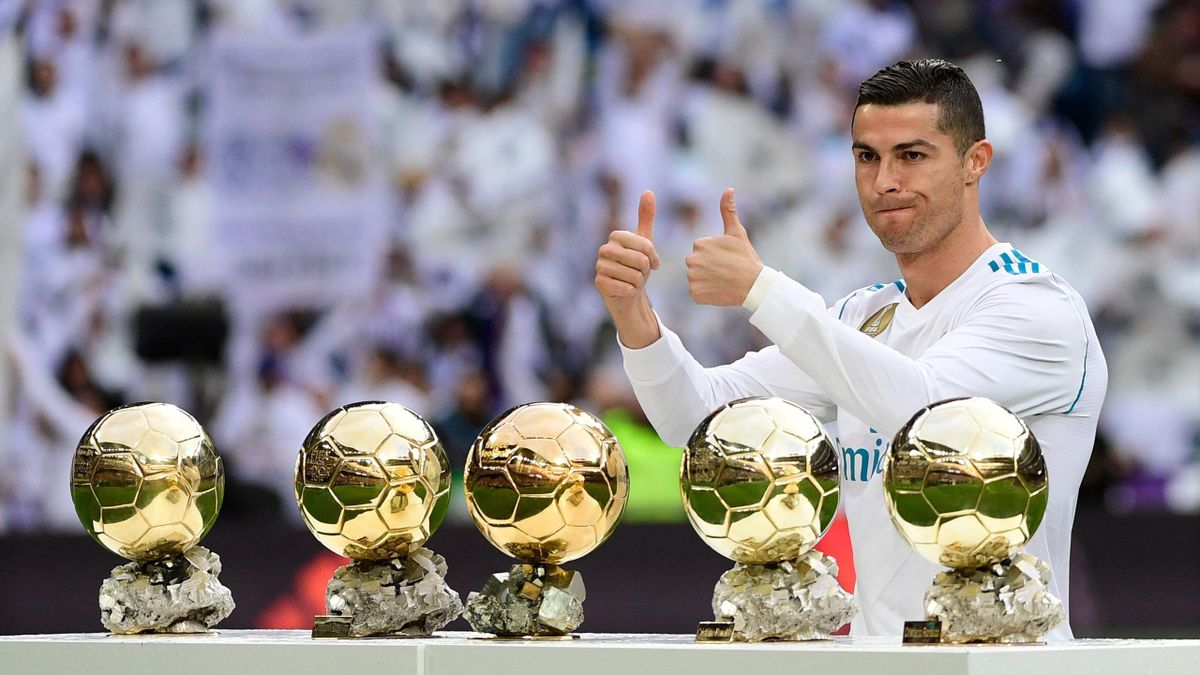
    • 8 Ballon d’Ors (most in history)
    • 4 Champions League titles
    • Over 870+ career goals
    • 46 Career trophies (most in history)
    • World Cup winner
    • All-time top scorer for Barcelona & Argentina

    Cristiano Ronaldo

    • 5 Ballon d’Ors
    • 5 Champions League titles
    • Over 935+ career goals (highest ever)
    • 36 Career trophies
    • Euro & Nations League winner
    • All-time top scorer for Portugal, Real Madrid & the Champions League

    Career Highlights: The Moments That Defined Them

    Lionel Messi—The Redemption Arc

    One of the most heartbreaking moments in Messi’s career came in 2014, when Argentina lost the FIFA World Cup final to Germany in extra time. The pain deepened after consecutive Copa America final losses in 2015 and 2016, leading Messi to announce his international retirement. The world was stunned.

    But legends don’t quit—they rise.

    Messi returned stronger, and in 2021, he led Argentina to win the Copa America, his first major international trophy. The emotional image of him lifting the cup silenced all critics. Then, in 2022, he completed his ultimate dream—winning the FIFA World Cup in Qatar. From heartbreak to hero, Messi’s comeback story is one of the greatest in sports history.

    Cristiano Ronaldo—The Big-Match Machine

    Ronaldo has long been the poster boy of the UEFA Champions League, holding the record for most goals (140+) and winning the tournament five times. His dominance in Europe remains unmatched—especially his iconic hat trick against Atletico Madrid in 2019 and the legendary overhead bicycle kick against Juventus in the 2017-2018 UEFA Champions League quarter-final, a night that reminded the world of his clutch gene.

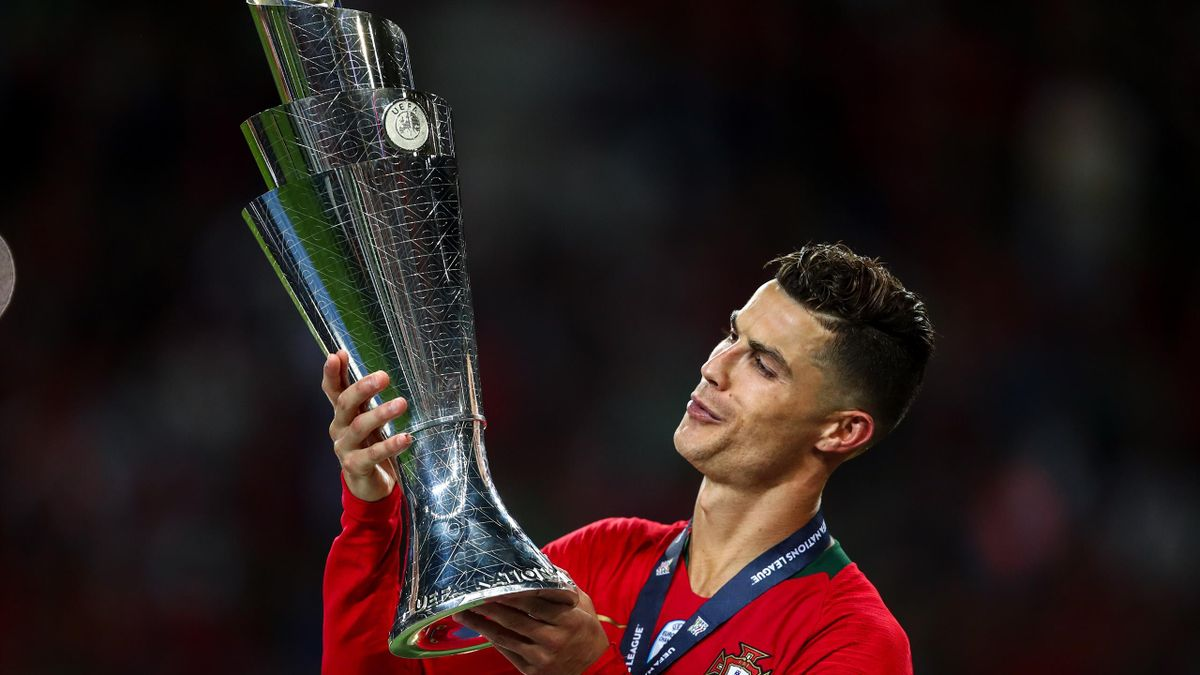
    But a turning point in his international career came in 2016, when he led Portugal to their first major trophy—the UEFA Euro 2016. Despite being injured in the final, his passion from the sidelines drove his team to victory. He followed it up by winning the UEFA Nations League in 2019, proving Portugal could shine with him in charge.

    From Sporting Lisbon to Manchester United, from Real Madrid to Juventus and now Al Nassr, Ronaldo has evolved and conquered across clubs and continents—an era-defining athlete in every sense.

    The Fan Wars: A Bittersweet Sideshow

    As the two legends dazzled on the pitch, the internet brewed a storm. Twitter threads, meme pages, YouTube compilations—fans began a never-ending war, often filled with toxicity and trolling. While debates are fun, they often cross the line into disrespect.

    Let’s not forget—Messi and Ronaldo never hated each other. In fact, both have publicly praised one another with deep respect. Without Ronaldo, Messi wouldn’t have shattered the limits he did. Without Messi, Ronaldo may not have reached such astonishing consistency. Their competition made each other better—and made football beautiful.

    Fun Section – Did You Know?

    • 🏆 Messi was offered his first Barcelona contract on a napkin.
    • 🧠 Ronaldo has a museum dedicated to him in Madeira, Portugal.
    • 🐐 Both have scored in 5 different FIFA World Cups.
    • 💨 Ronaldo’s vertical leap is higher than most NBA players—2.93 m.
    • 🎯 Messi holds the record for most goals in a calendar year: 91 in 2012.

    A Creative Take: What We Must Learn

    Instead of choosing sides, let’s choose inspiration.

    Messi teaches us that you don’t have to be loud to be legendary. You can let your work speak. You can overcome physical setbacks with quiet determination.

    Ronaldo reminds us that with sheer will, discipline, and belief in yourself, anything is possible. You don’t have to be born the best—you can become the best.

     Lionel Messi once said:

    “It was a special rivalry. It will remain forever. Cristiano is a phenomenal player.”

    Cristiano Ronaldo, at a UEFA award ceremony, shared:

    “We’ve shared the stage 15 years. That’s insane. We haven’t had dinner together yet, but I hope in the future.”

    If the two greatest footballers of all time can admire each other, shouldn’t we too?

    We often get so caught up in proving who’s better, we forget to simply enjoy what we’ve been privileged to witness: 2 once-in-a-lifetime athletes redefining human limits. So yes, you may be a Messi loyalist. Or a die-hard Ronaldo fan. But never forget to respect both. Because when the final whistle blows on their careers, all we’ll be left with are memories—not memes.

    As they approach the twilight of their legendary journeys, let’s cherish Messi weaving magic at Inter Miami and Ronaldo roaring goals at Al Nassr. And who knows? Maybe destiny has one last showdown left—in the grandest stage of them all: the 2026 FIFA World Cup.

    “Legends fade, but their legacy plays on forever.”

  • India’s Best Kept Secrets: Top 10 Hidden Destinations

    “Beyond the crowded forts and famous ghats lies an India unseen—where hidden mountains cradle peaceful valleys, emerald forests whisper secrets, and forgotten towns guard timeless tales.”

    1) Tirthan Valley (Himachal Pradesh)

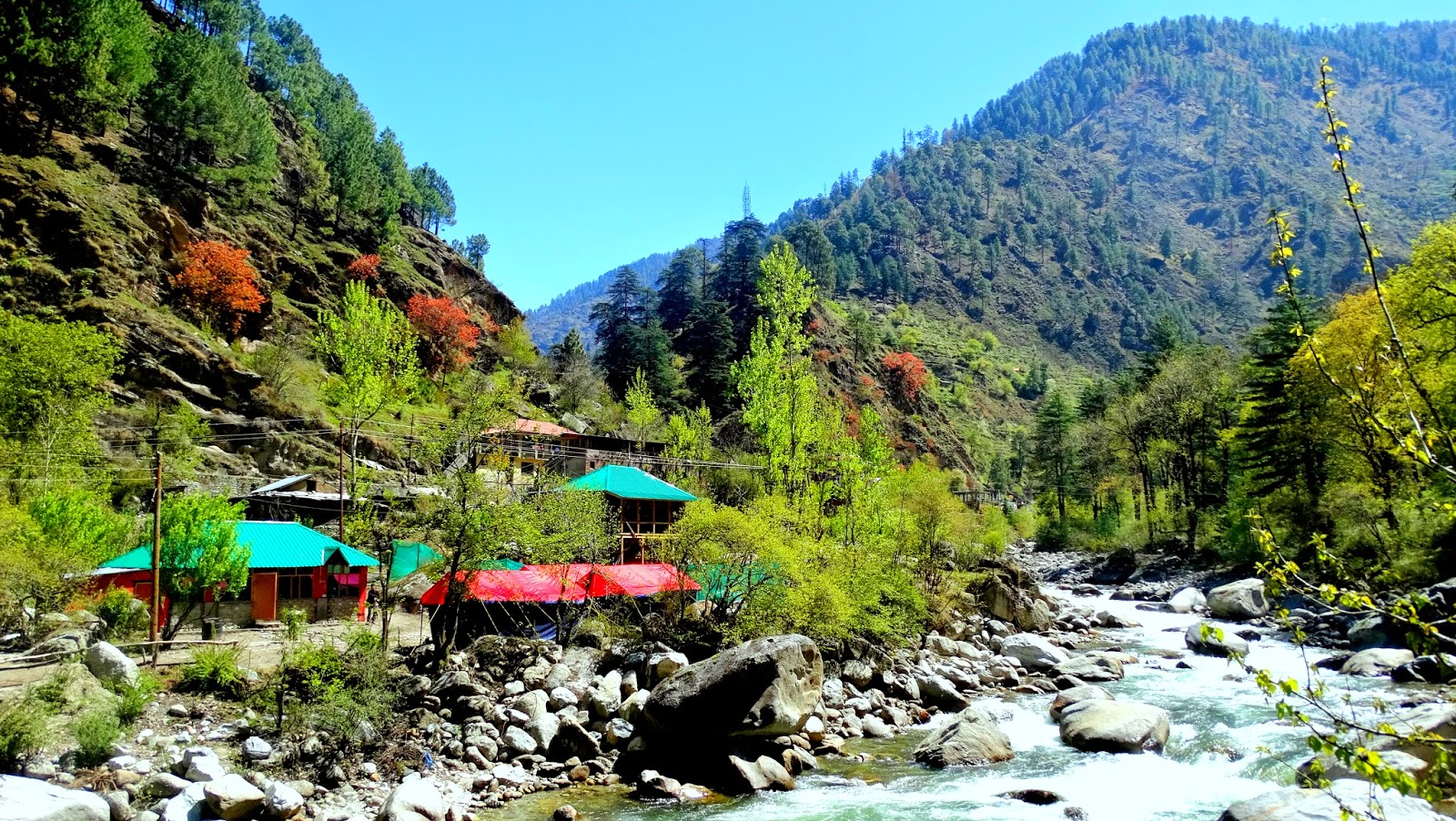
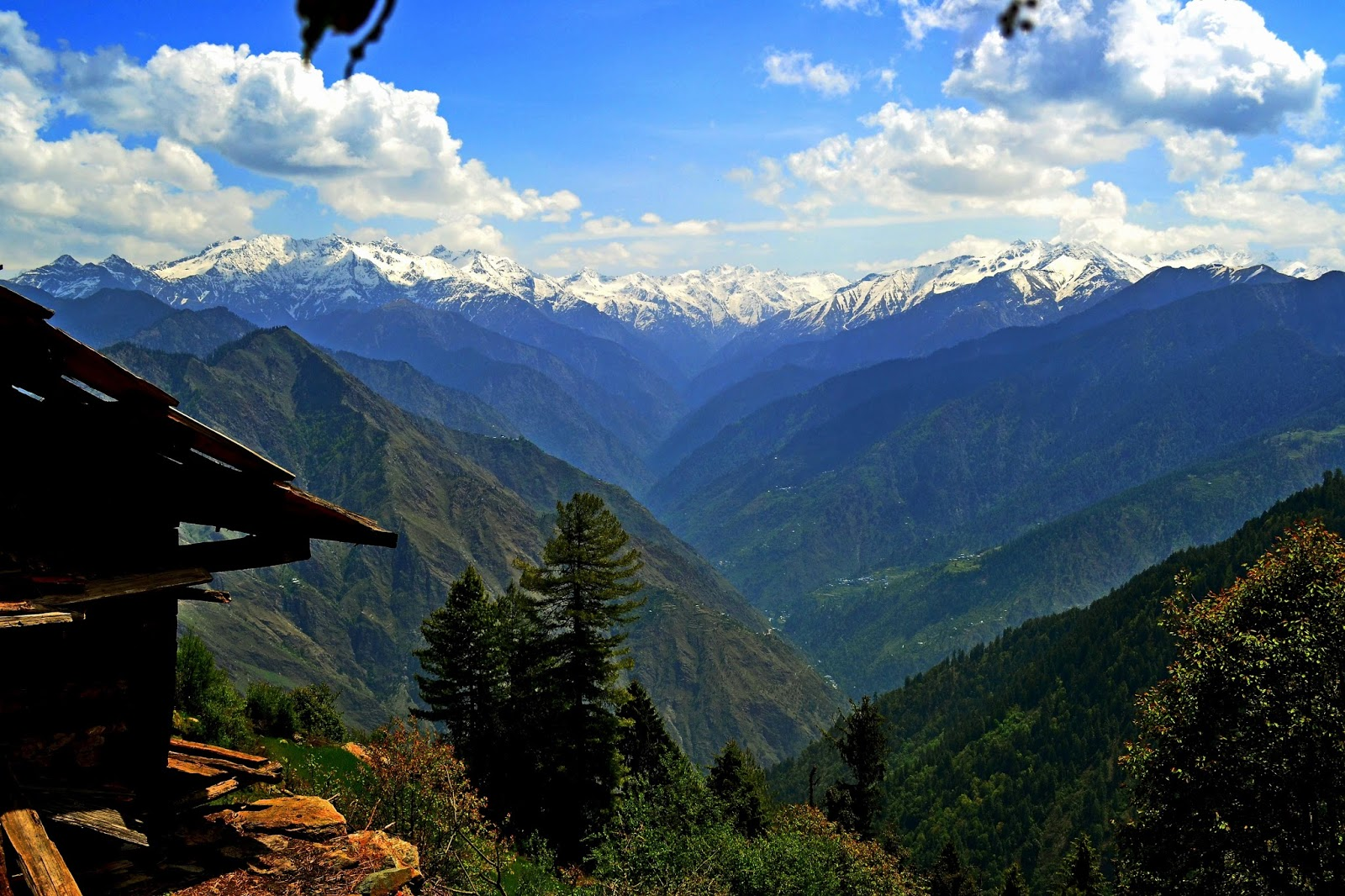
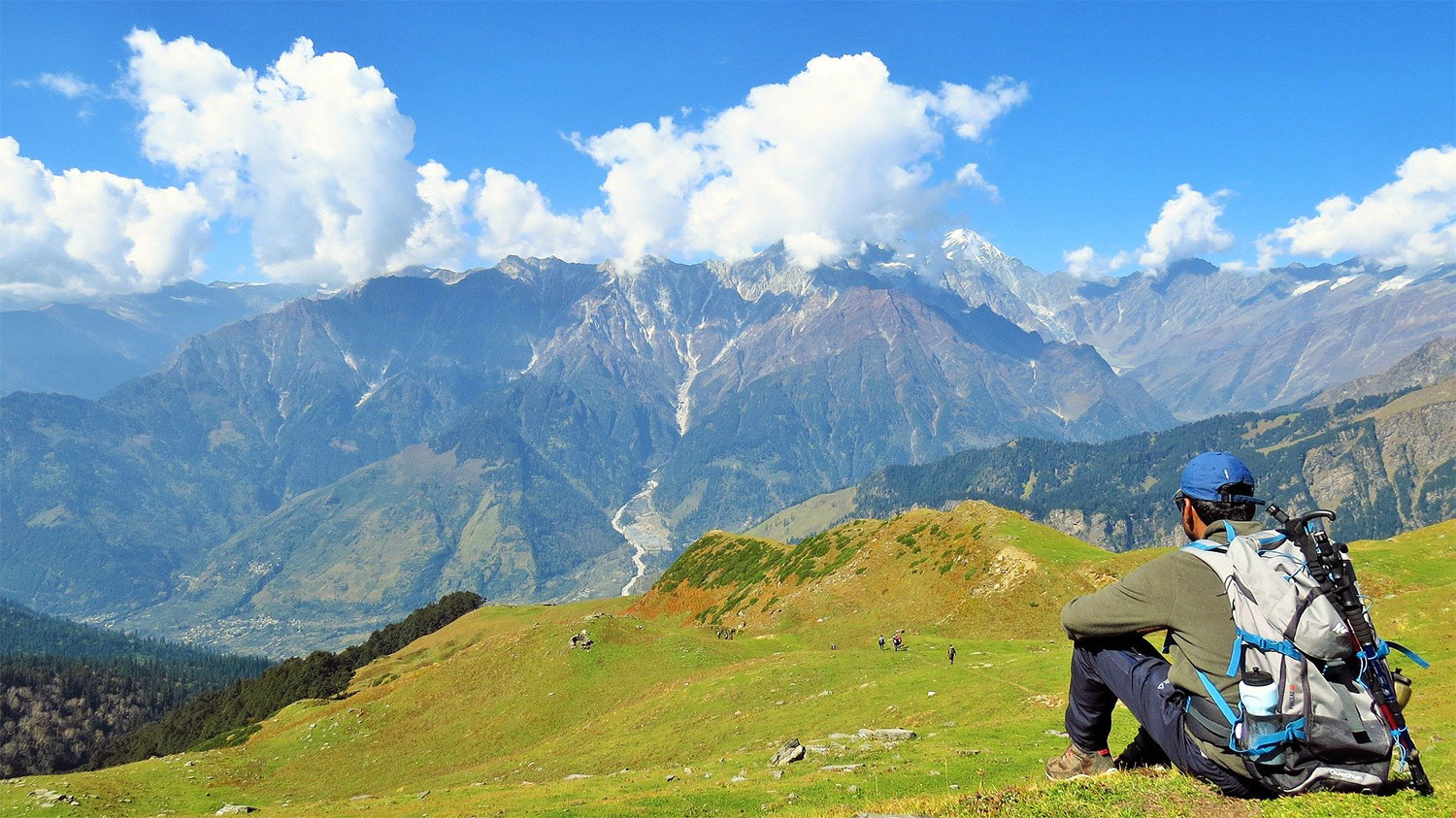
    Tirthan Valley is a hidden Himalayan gem nestled in the Kullu district of Himachal Pradesh, untouched by mass tourism. Named after the crystal-clear Tirthan River, this serene valley offers a perfect blend of adventure and peace. What sets it apart is its proximity to the Great Himalayan National Park, a UNESCO World Heritage Site known for rare wildlife like the Himalayan tahr and snow leopard. Unlike crowded hill stations, Tirthan offers trout fishing, forest hikes, riverside camping, and rustic homestays that give you an authentic Himachali experience. You can drive up to Jalori Pass, a scenic mountain pass that opens up breathtaking views of the Himalayas, and trek further to Serolsar Lake, a tranquil high-altitude lake surrounded by dense oak forests. The short trek to Raghupur Fort, with its ancient ruins and panoramic 360-degree views, adds to the valley’s charm, making Tirthan a haven for those seeking offbeat mountain adventures.

    Fun fact: The valley is one of the very few places in India where you can spot rainbow trout, thanks to British-era fish breeding practices still in use today!

    2) Wayanad (Kerala)

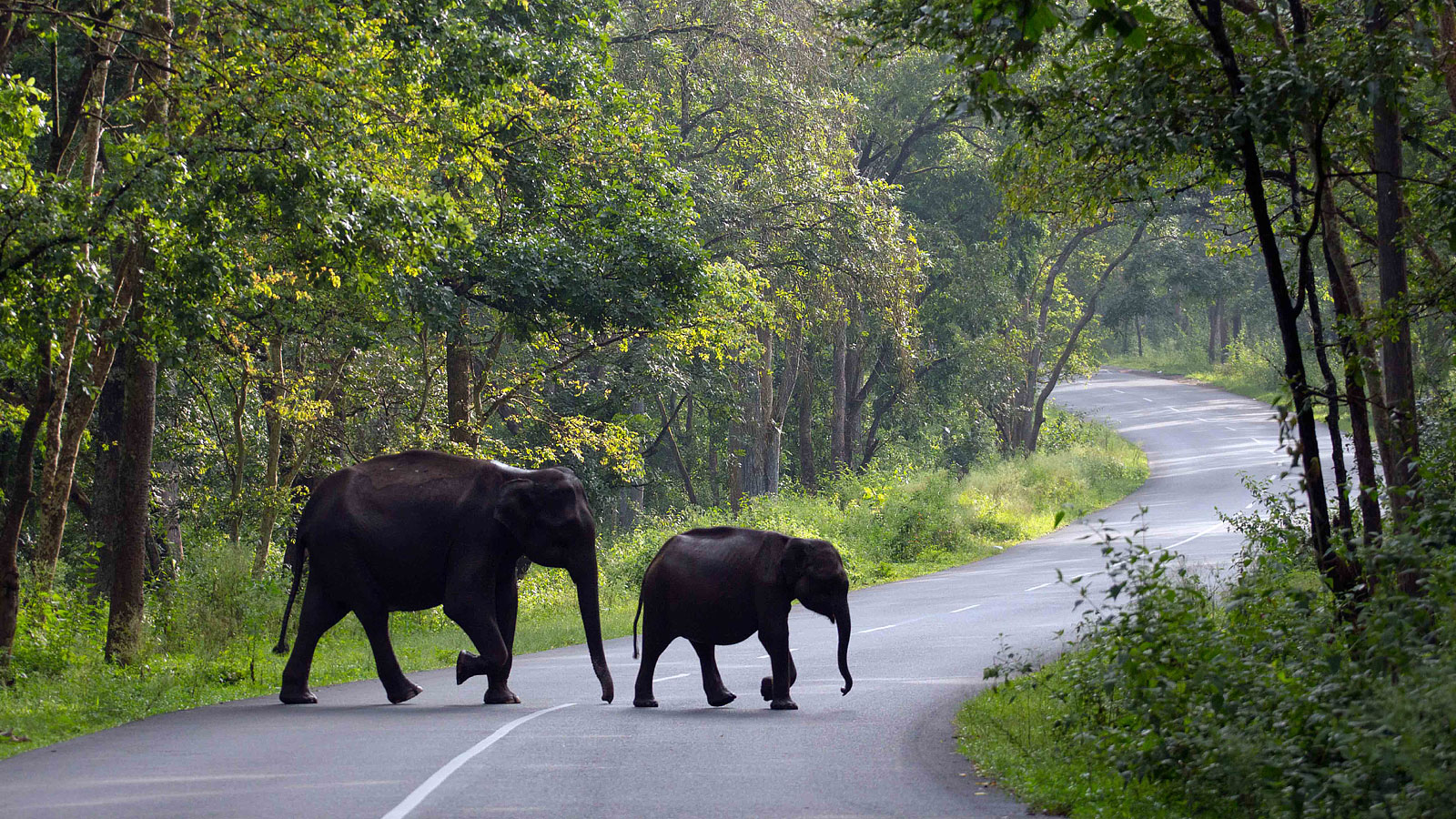
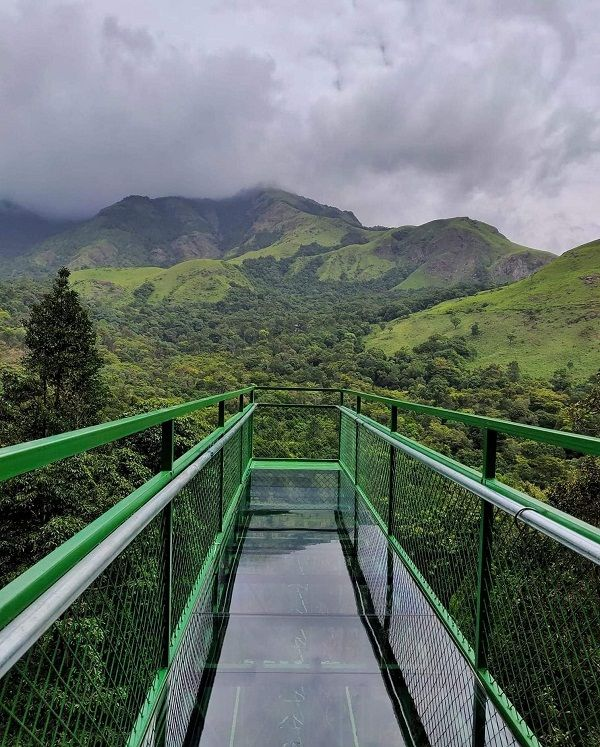
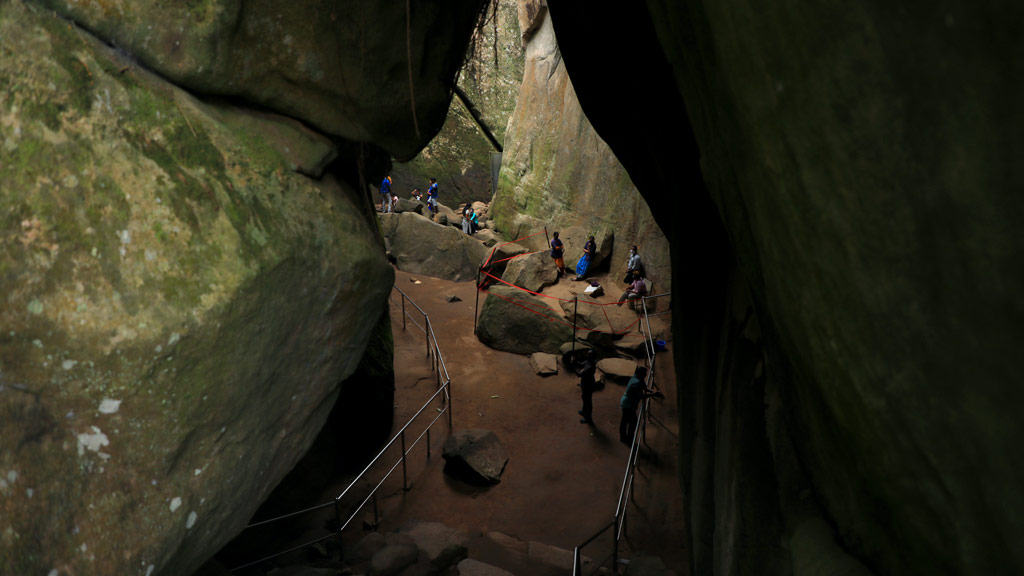
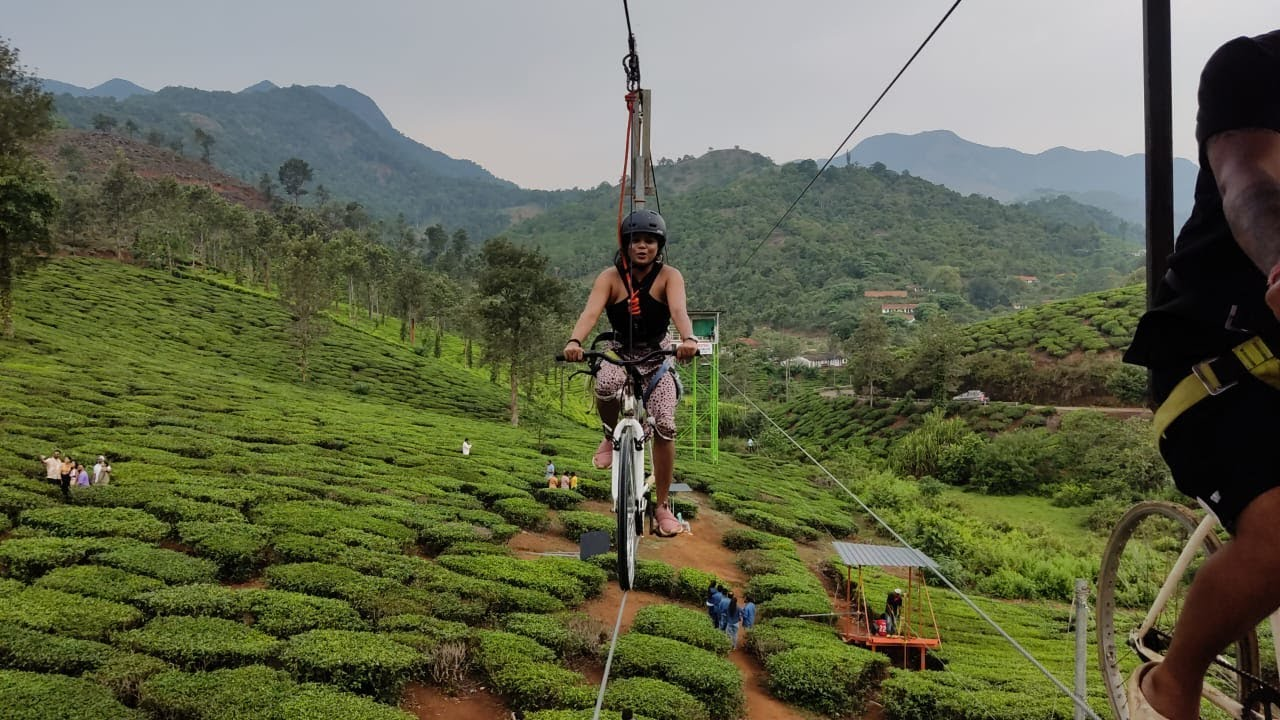
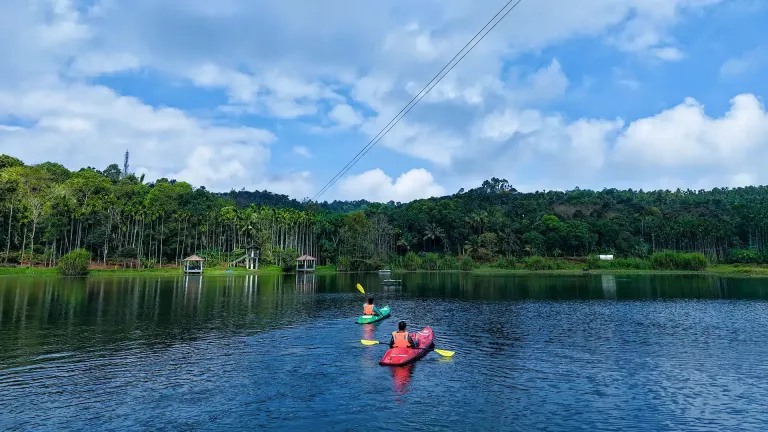
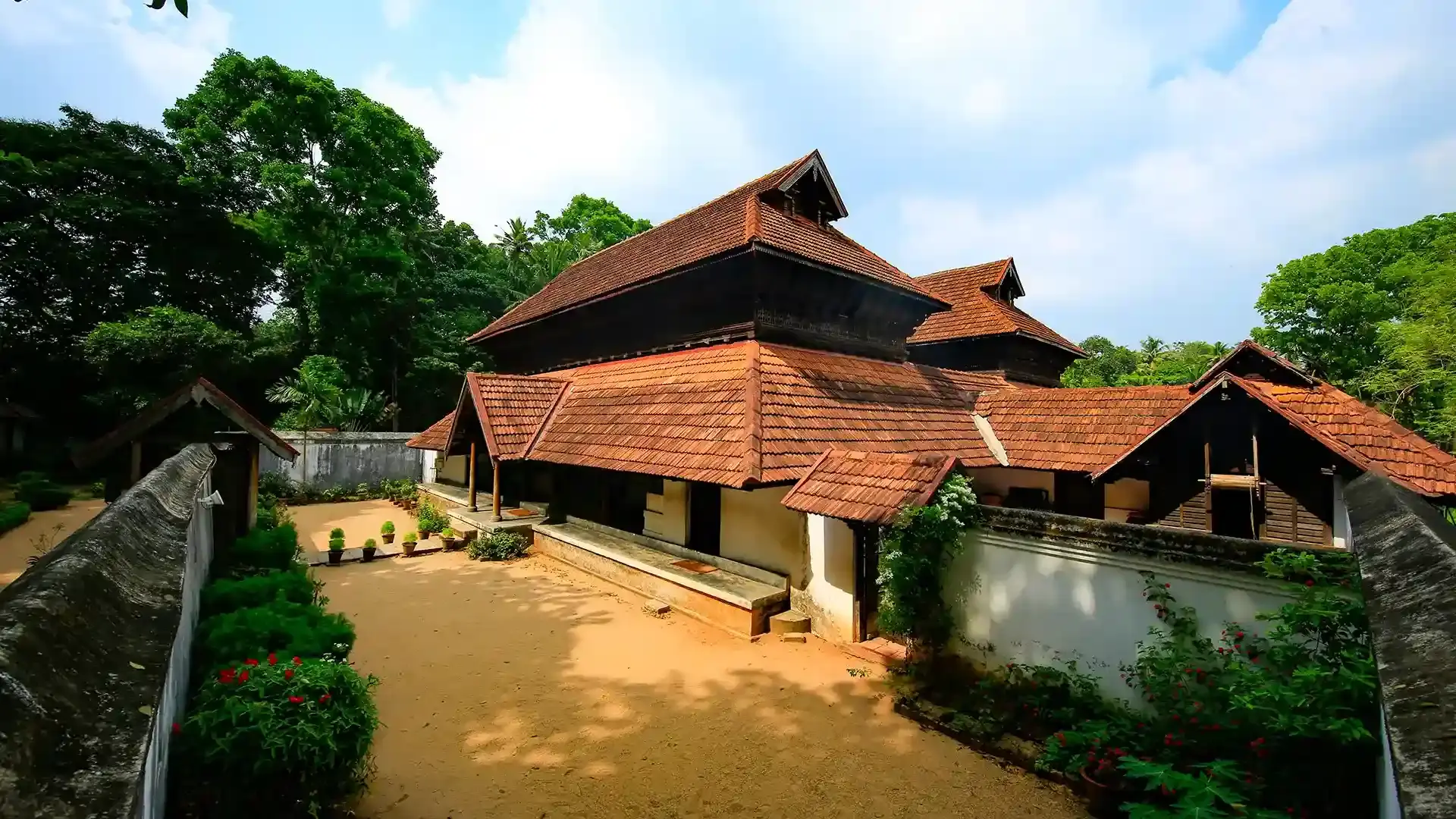
    Tucked away in the lush Western Ghats, Wayanad is Kerala’s green paradise—an enchanting blend of wildlife, waterfalls, spice and tea plantations, and tribal heritage. What makes it truly unique is its combination of dense evergreen forests, prehistoric caves, and a culture that’s deeply rooted in nature. Adventure seekers can trek up Chembra Peak to witness the famous heart-shaped lake or explore cascading waterfalls like Soochipara and Meenmutty, each offering breathtaking views and refreshing dips. Thrill lovers can also enjoy adventurous sports like giant swings, kayaking, zip lining, and bungee jumping across various eco-resorts and adventure camps. Wayanad is also home to one of the oldest human settlements in South India—the mysterious Edakkal Caves, which contain petroglyphs over 8,000 years old, the only known Neolithic carvings in India. Adding to its ecological richness, the Wayanad Wildlife Sanctuary—a vital part of the Nilgiri Biosphere Reserve—is home to elephants, tigers, leopards, and rare birds, making it a haven for wildlife lovers and eco-tourists alike.

    Fun fact: Wayanad is also home to the only earth dam in India—the Banasura Sagar Dam—and supports a rich tribal culture, with over 50% forest cover making it a biodiversity hotspot.

    3) Kalimpong (West Bengal)

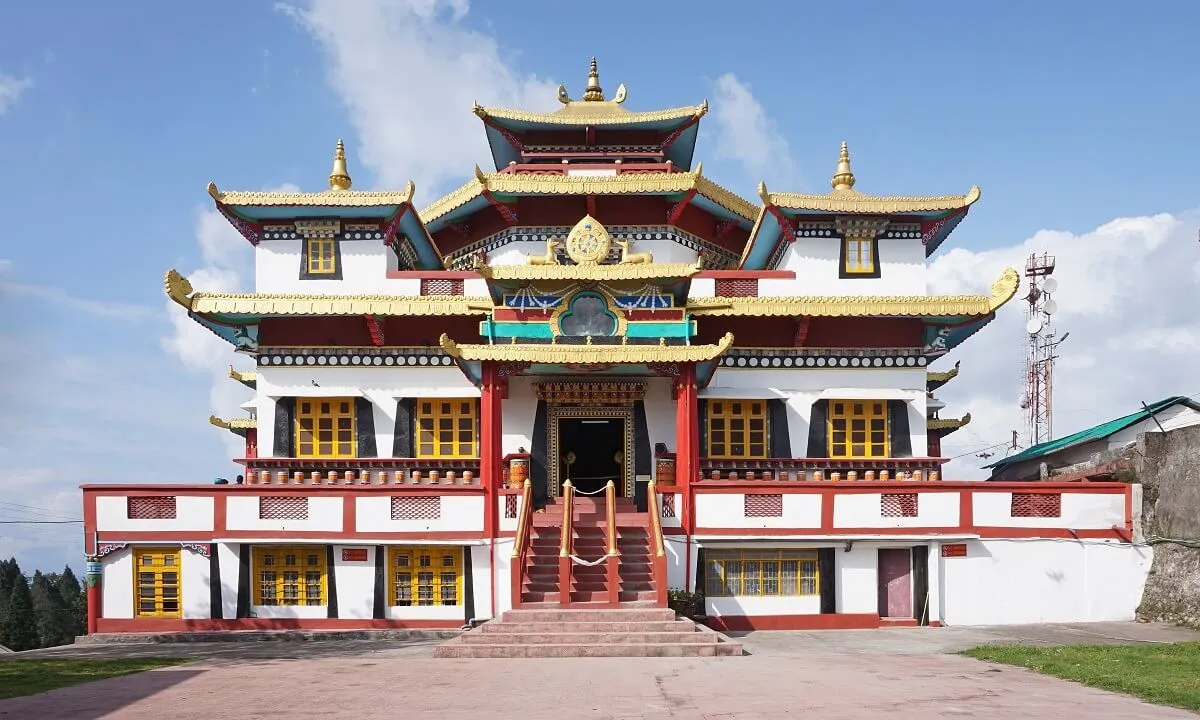
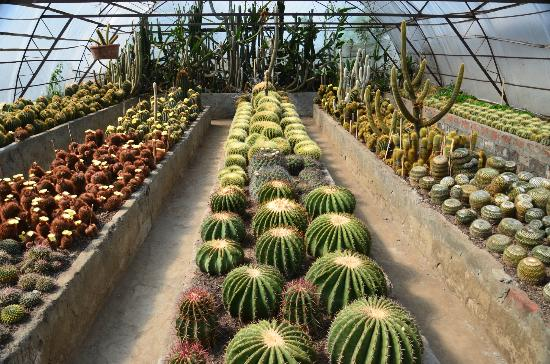
    Perched on a ridge overlooking the Teesta River, Kalimpong is an offbeat hill station known for its peaceful monasteries, colonial-era architecture, and vibrant flower nurseries. Unlike its bustling neighbor Darjeeling, Kalimpong offers a serene vibe with panoramic views of Kanchenjunga. You can visit the famous Zang Dhok Palri Phodang Monastery, explore cactus nurseries, or stroll through the quaint local markets. Its unique blend of Tibetan, Bhutanese, and colonial heritage makes it a hidden gem for those seeking a quiet Himalayan retreat.

    Fun Fact: Kalimpong is known as the “Land of Flowers” because it houses over 50 nurseries exporting exotic orchids, gladioli, cacti, and other Himalayan flowers worldwide. It’s one of India’s biggest flower nursery hubs!

    4) Lansdowne (Uttarakhand)

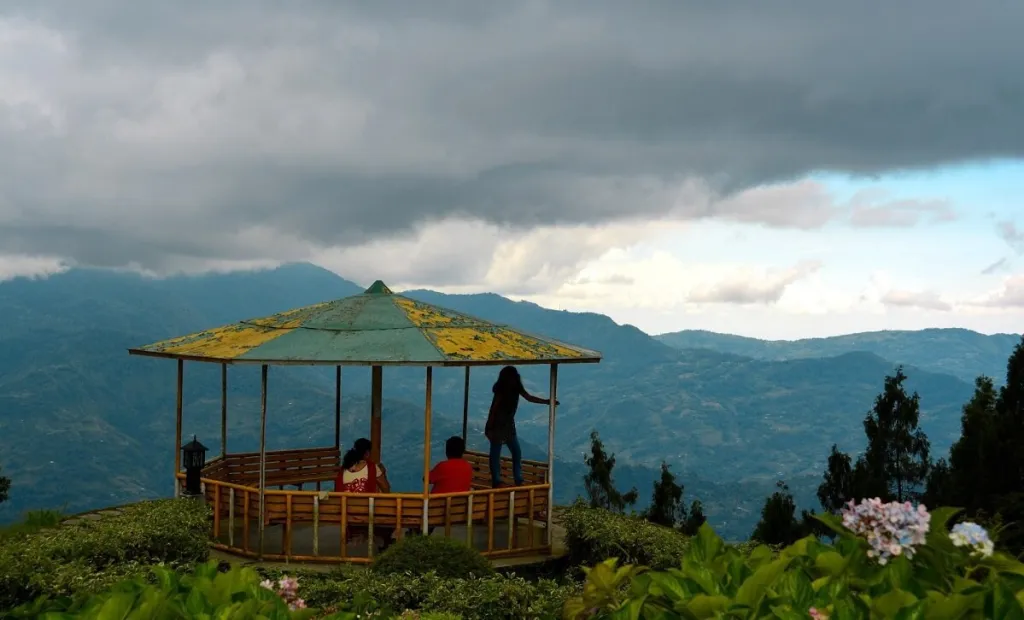
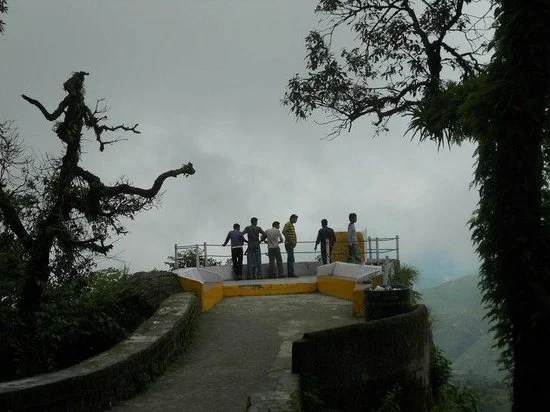
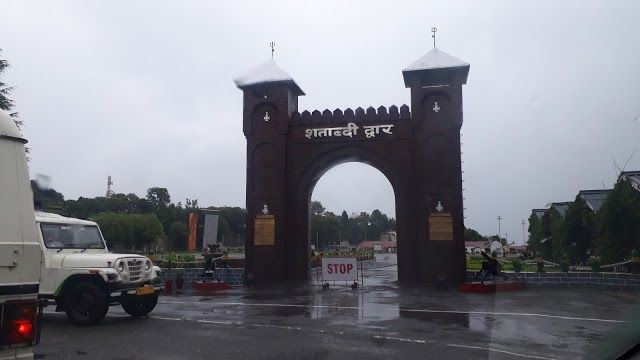
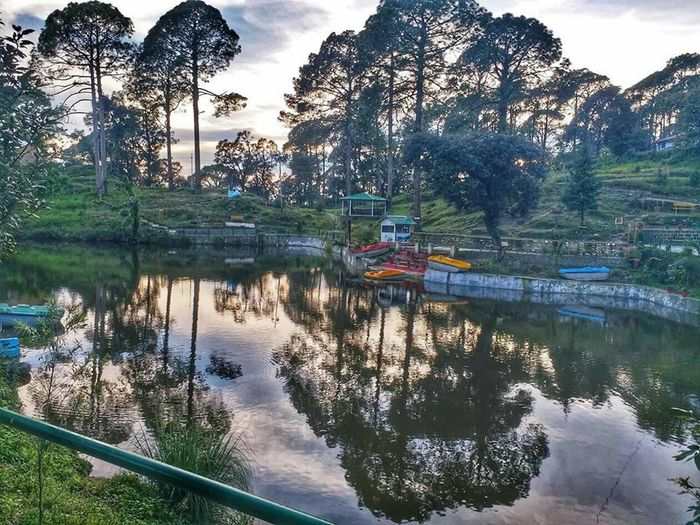
    Nestled in the Pauri Garhwal district, Lansdowne is a quiet hill station known for its pine forests and colonial-era charm. Established by the British as a cantonment town, it remains clean and less commercialised. Visitors can stroll around Tip-in-Top viewpoint for stunning sunrise and sunset views, visit the iconic St. John’s Church, Macfarlane Memorial Church or enjoy peaceful boat rides at Bhulla Tal Lake. For adventure lovers, Lansdowne offers trekking trails through oak and pine forests, nature walks, bird watching, and camping under starlit skies. You can also explore the Garhwali Museum to learn about the proud military history of the Garhwal Rifles and visit Kaleshwar Mahadev Temple, one of the oldest temples in the region. The tranquil environment, cool climate, and blend of nature, history, and adventure make Lansdowne a perfect hidden retreat away from crowded tourist spots.

    Fun fact: Lansdowne was named after Lord Lansdowne, the then Viceroy of India, when he founded the town in 1887 as a military garrison for the British. Today, it remains an important training centre for the Garhwal Rifles of the Indian Army.

    5) Andaman & Nicobar Islands

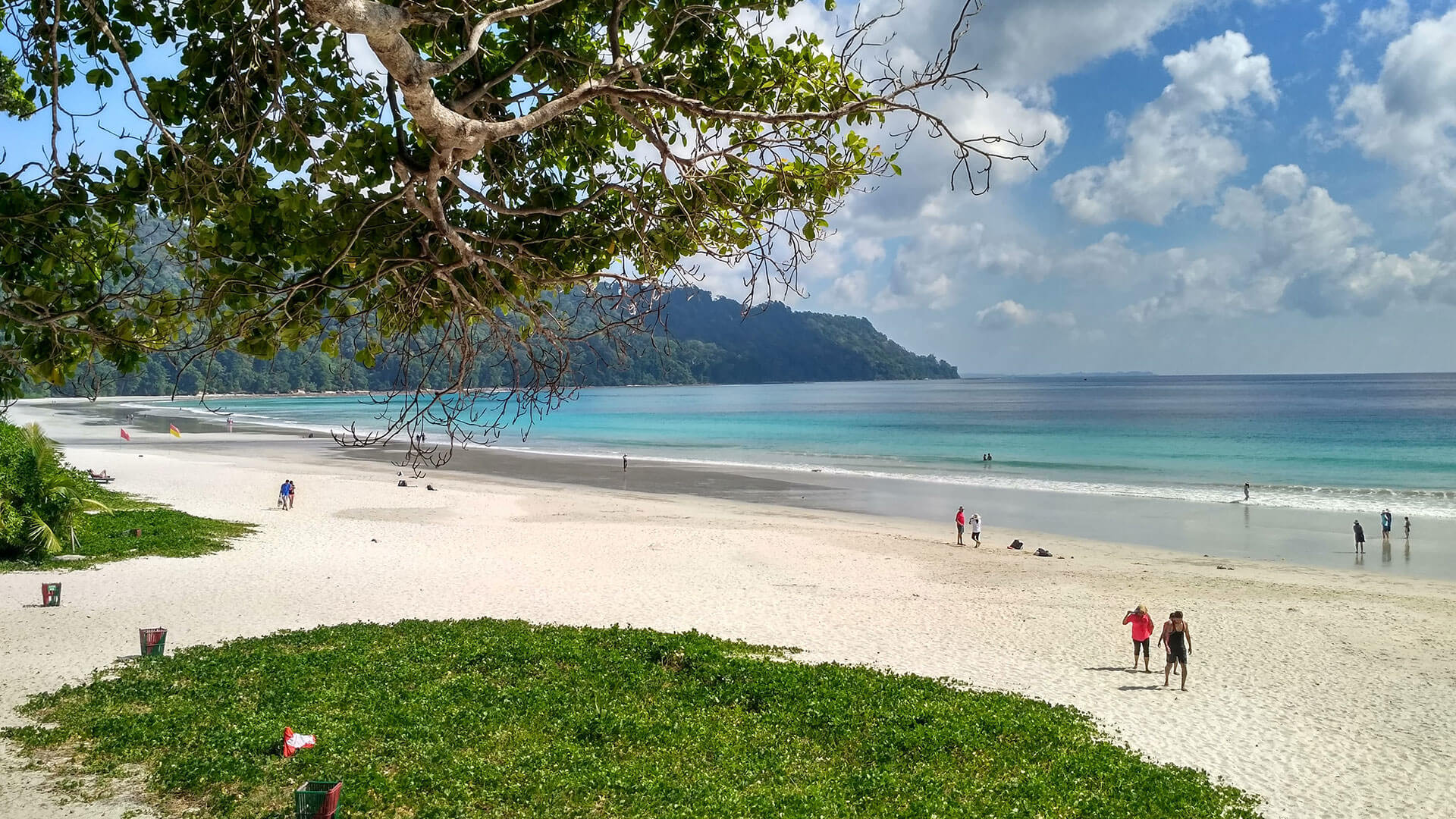
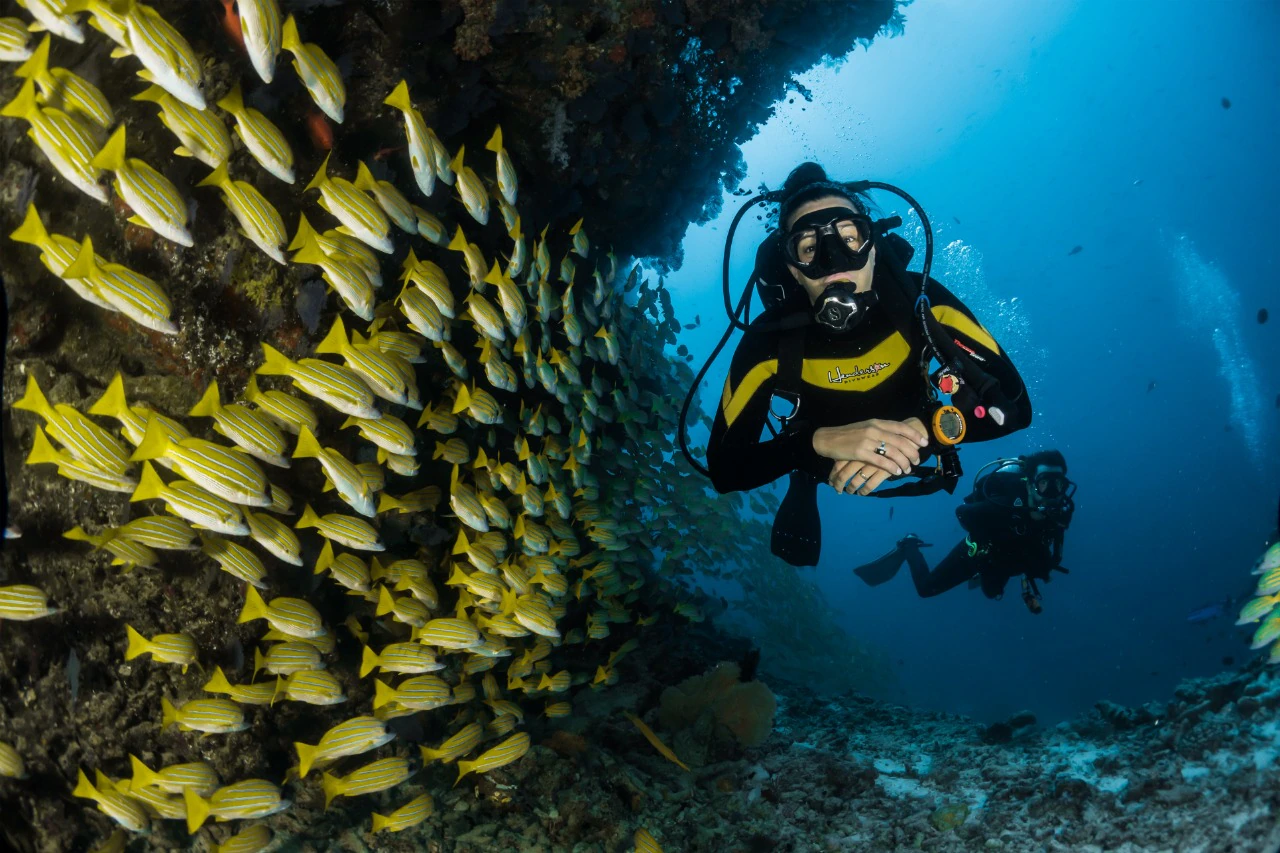
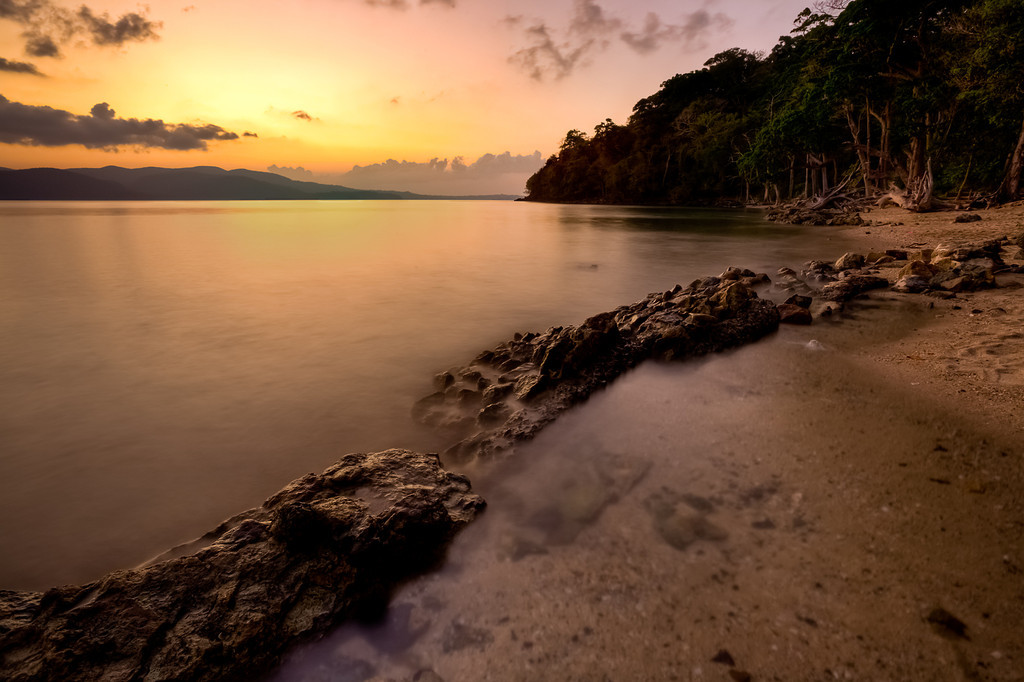
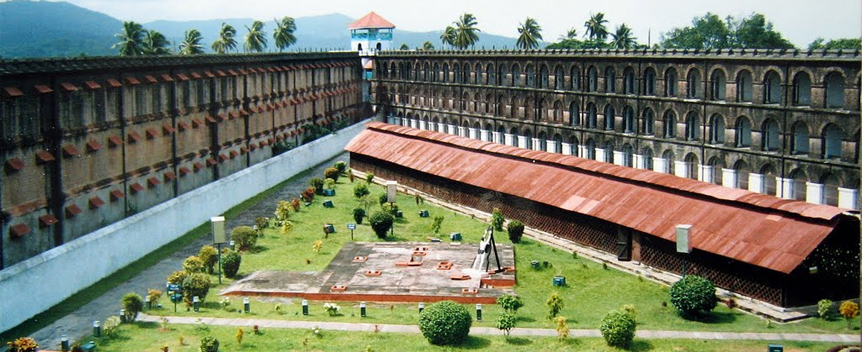
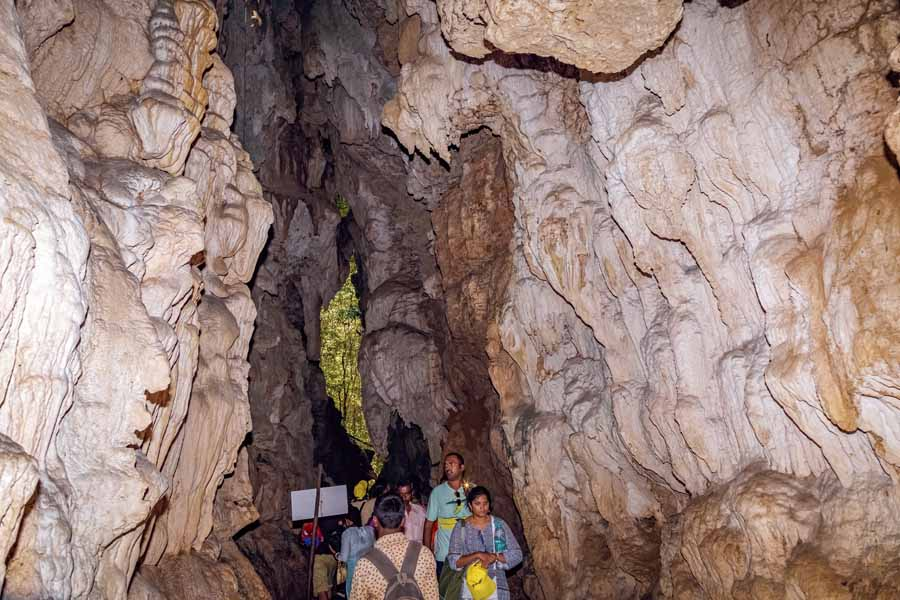
    Floating in the turquoise waters of the Bay of Bengal, the Andaman & Nicobar Islands are a tropical paradise of white-sand beaches, dense rainforests, and vibrant marine life. Known for historical landmarks like the Cellular Jail in Port Blair, the islands also offer thrilling adventures such as scuba diving at Havelock Island, snorkelling at Neil Island, and exploring limestone caves at Baratang. With their unique blend of indigenous tribal heritage, colonial history, and pristine nature, the Andamans remain one of India’s most mesmerising island destinations.

    Fun Fact: The Andaman & Nicobar Islands are home to the Sentinelese tribe, one of the last uncontacted tribes in the world, living on North Sentinel Island. They have remained isolated for thousands of years and strictly avoid any contact with outsiders to preserve their way of life.

    6) Alleppey (Alappuzha), Kerala

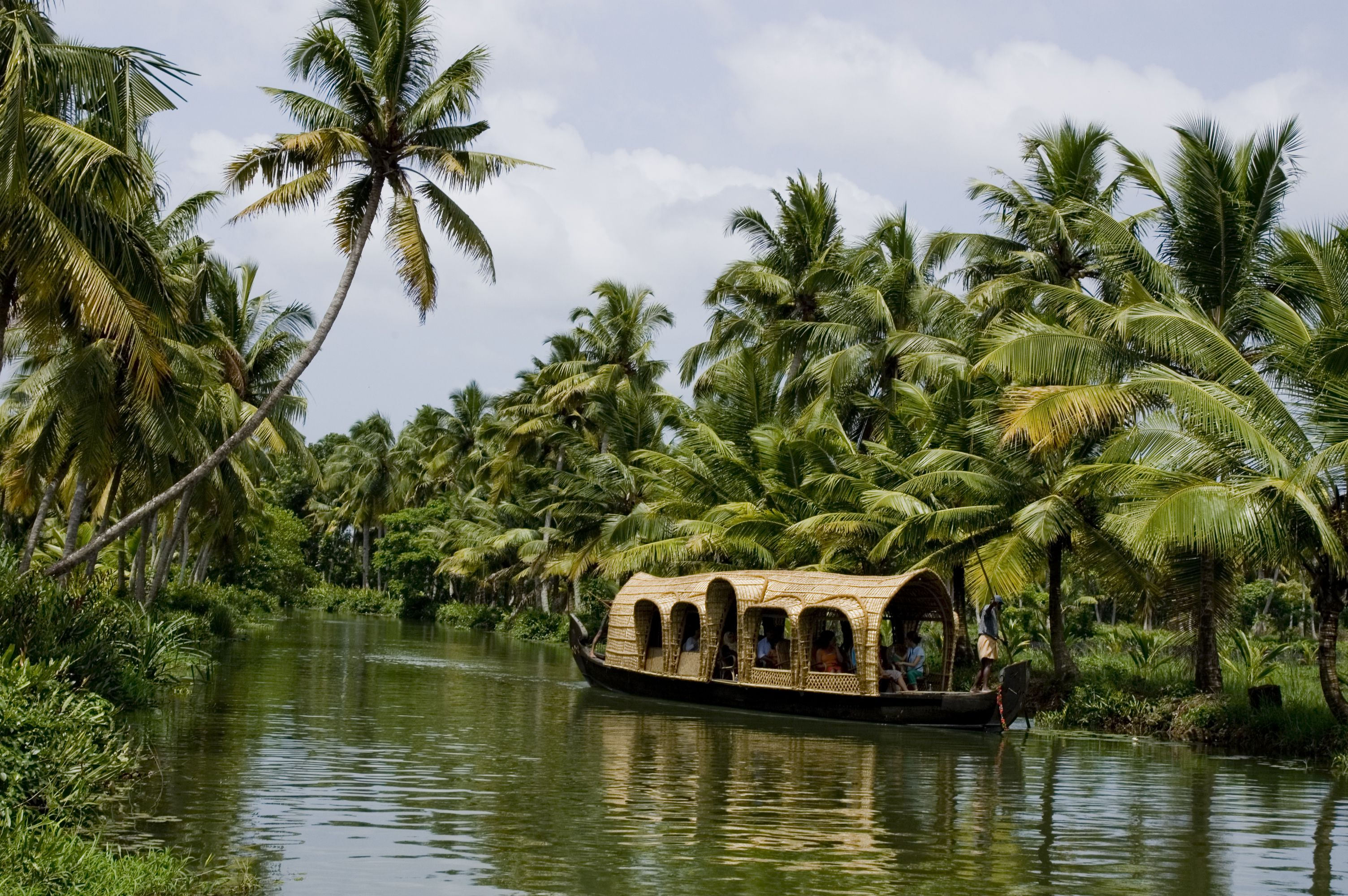
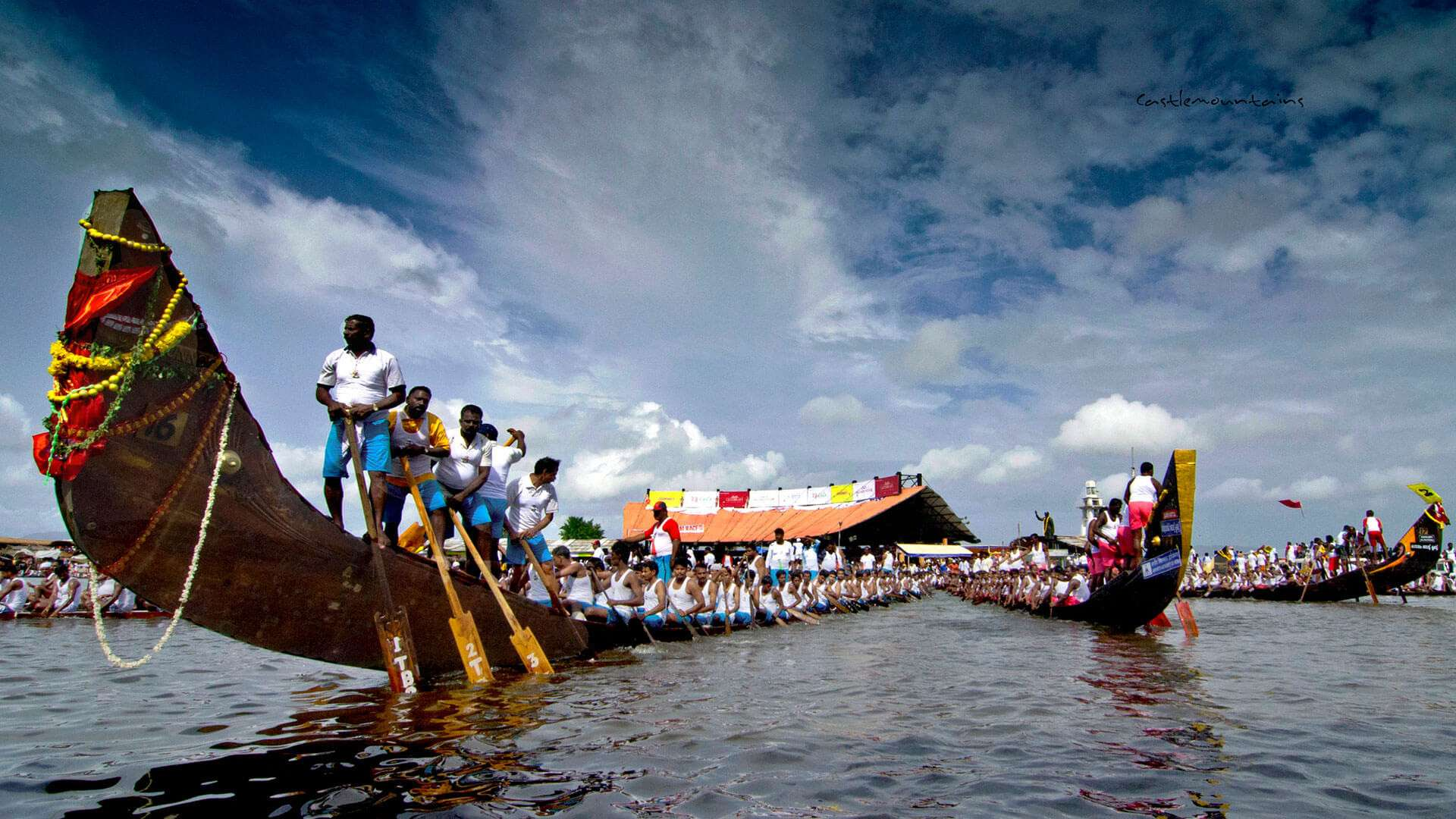
    Known as the “Venice of the East”, Alleppey is famous for its enchanting network of backwaters, serene houseboat cruises, and lush green paddy fields. Travelling through its canals offers glimpses of traditional Kerala village life, coconut groves, and migratory birds. You can sail through Kuttanad, the “Rice Bowl of Kerala,” where farming is done below sea level, and immerse yourself in the region’s unique landscape. The annual Nehru Trophy Snake Boat Race on Punnamada Lake adds vibrant energy to this peaceful town. After a day of exploration, unwind with an authentic Ayurvedic spa or massage to rejuvenate your body and mind. Whether you’re gliding through on a houseboat, enjoying Kerala seafood by the waterside, or experiencing its healing traditions, Alleppey promises a truly unique and refreshing escape.

    Fun Fact: Alleppey is home to India’s longest lake – Vembanad Lake, which spans several districts and is a key part of Kerala’s famous backwater ecosystem. It even has a floating post office, delivering letters to houseboats and villages along its waters!

    7) Hampi (Karnataka)

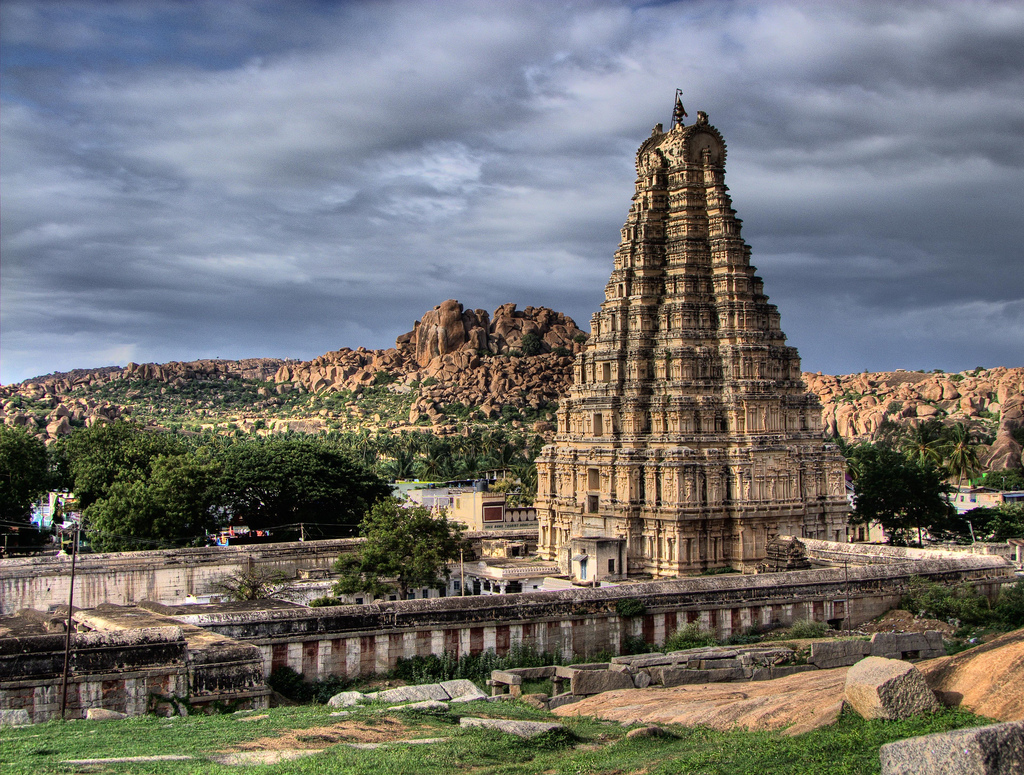
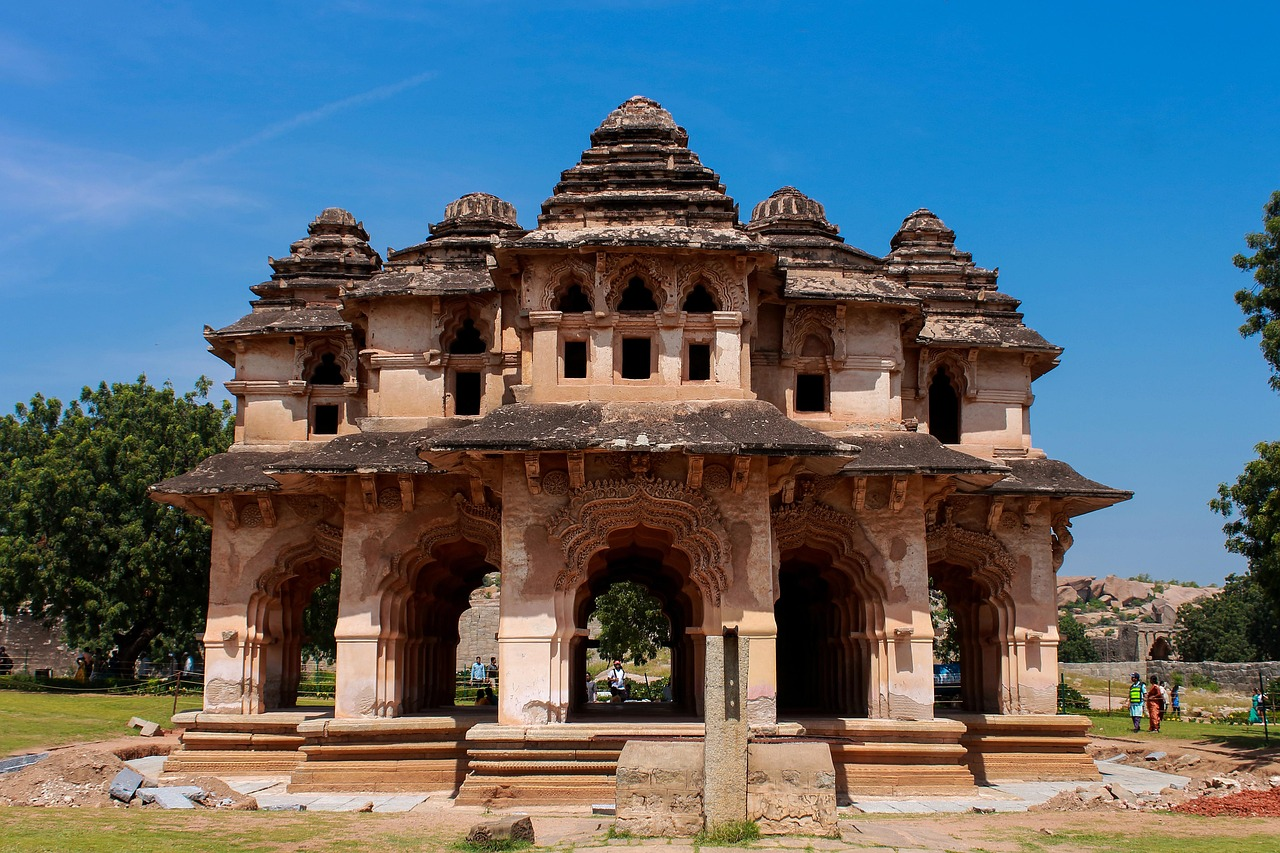
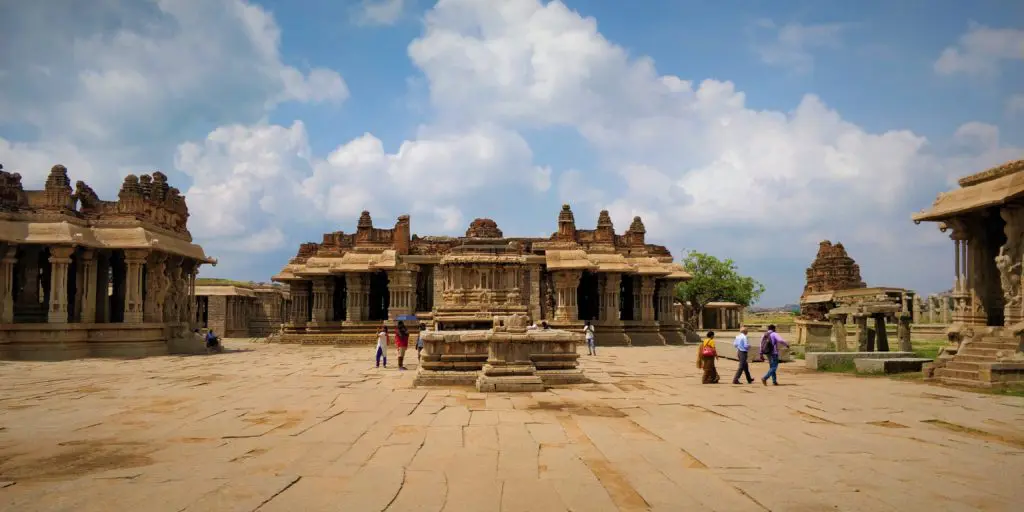
    A surreal landscape of giant boulders, ancient ruins, and banana plantations, Hampi is a timeless treasure nestled on the banks of the Tungabhadra River. Once the glorious capital of the Vijayanagara Empire, its vast UNESCO World Heritage Site is dotted with magnificent stone temples, royal enclosures, and market streets that whisper tales of its rich past. From the iconic Virupaksha Temple to the intricate stone chariot of Vittala Temple, every monument here is a masterpiece of Dravidian architecture. You can also admire the elegant Lotus Mahal, with its Indo-Islamic arches in the Zenana Enclosure, and visit the impressive Elephant Stables, where royal elephants were once housed. Whether you’re watching the sunset from Matanga Hill or wandering through its ruins, Hampi feels like stepping into a forgotten world frozen in time.

    Fun Fact: Hampi was once one of the richest cities in the world during the 16th century. Portuguese and Persian travellers described its markets as overflowing with diamonds and precious stones openly sold on streets without security, showcasing the immense wealth of the Vijayanagara Empire.

    8) Raison (Himachal Pradesh)

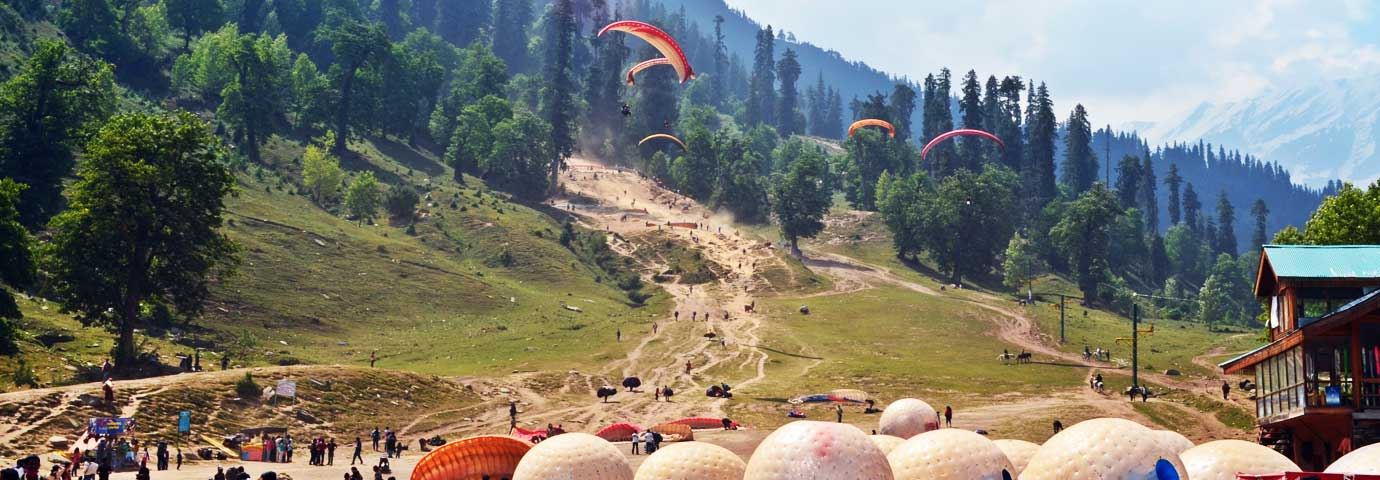
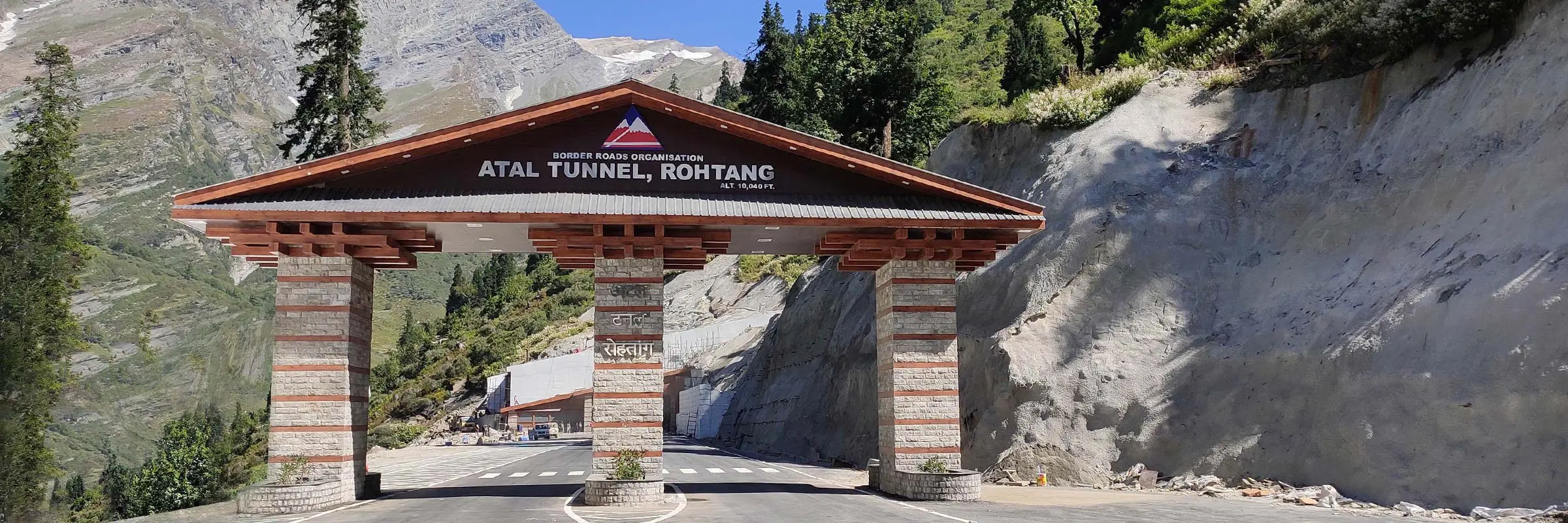
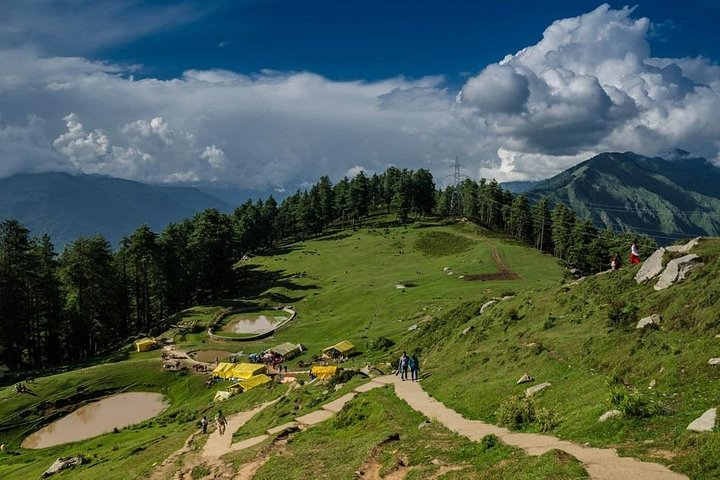
    Tucked away on the banks of the Beas River near Kullu, Raison is a serene cluster of quaint villages known for their natural beauty and peaceful vibes. Surrounded by apple orchards and pine forests, it is an ideal spot for riverside camping, trout fishing, and paragliding, making it a hidden adventure hub. Just a short drive away is Manali’s Mall Road, buzzing with cafes, markets, and local handicrafts. You can also plan trips to Bijli Mahadev Temple, known for its panoramic Kullu valley views, or visit the nearby Atal Tunnel, which leads you towards Sissu and the stark landscapes of Lahaul. For trekkers and campers, Hamta Pass and Sethan Valley offer breathtaking trails, snow adventures, and peaceful camping experiences. With its clean air, clear skies, and proximity to Manali’s top attractions, Raison is the perfect offbeat retreat combining tranquillity with thrilling adventures.

    Fun Fact:
    Raison is famous for its extensive camping grounds managed by Himachal Tourism, making it one of the few places in Himachal Pradesh where you can camp right by the riverside with a panoramic view of the Himalayas and wake up to the soothing sounds of the Beas River.

    9) Spiti Valley (Himachal Pradesh)

    Nestled between Tibet and India, Spiti Valley is a stark yet stunning cold desert, often called “Little Tibet” for its unique landscape and Buddhist culture. Its barren mountains, ancient monasteries like Key, Tabo, and Dhankar, and remote villages such as Kibber, Komic, and Langza transport you to a different world. Kaza, the valley’s main town, serves as a base with its cosy cafes, vibrant markets, and warm local hospitality. Travelling through Spiti means witnessing turquoise rivers cutting through brown mountains, spotting Himalayan wildlife, and gazing at a million stars from some of the highest inhabited villages on Earth. Don’t miss the breathtaking Chandratal Lake (Moon Lake), with its turquoise waters reflecting the surrounding peaks, offering one of the most magical camping experiences in India. Whether you’re sending a postcard from Hikkim or meditating at Key Monastery, Spiti promises an unforgettable spiritual and adventurous journey away from civilisation’s noise.

    Fun Fact: Spiti Valley is home to Hikkim Post Office, which at an altitude of 4,440 metres (14,567 feet) is the highest post office in the world. Locals and travellers still use it to send postcards, making it a truly unique memory to post from the roof of the world.

    10) Chilika Lake (Odisha)

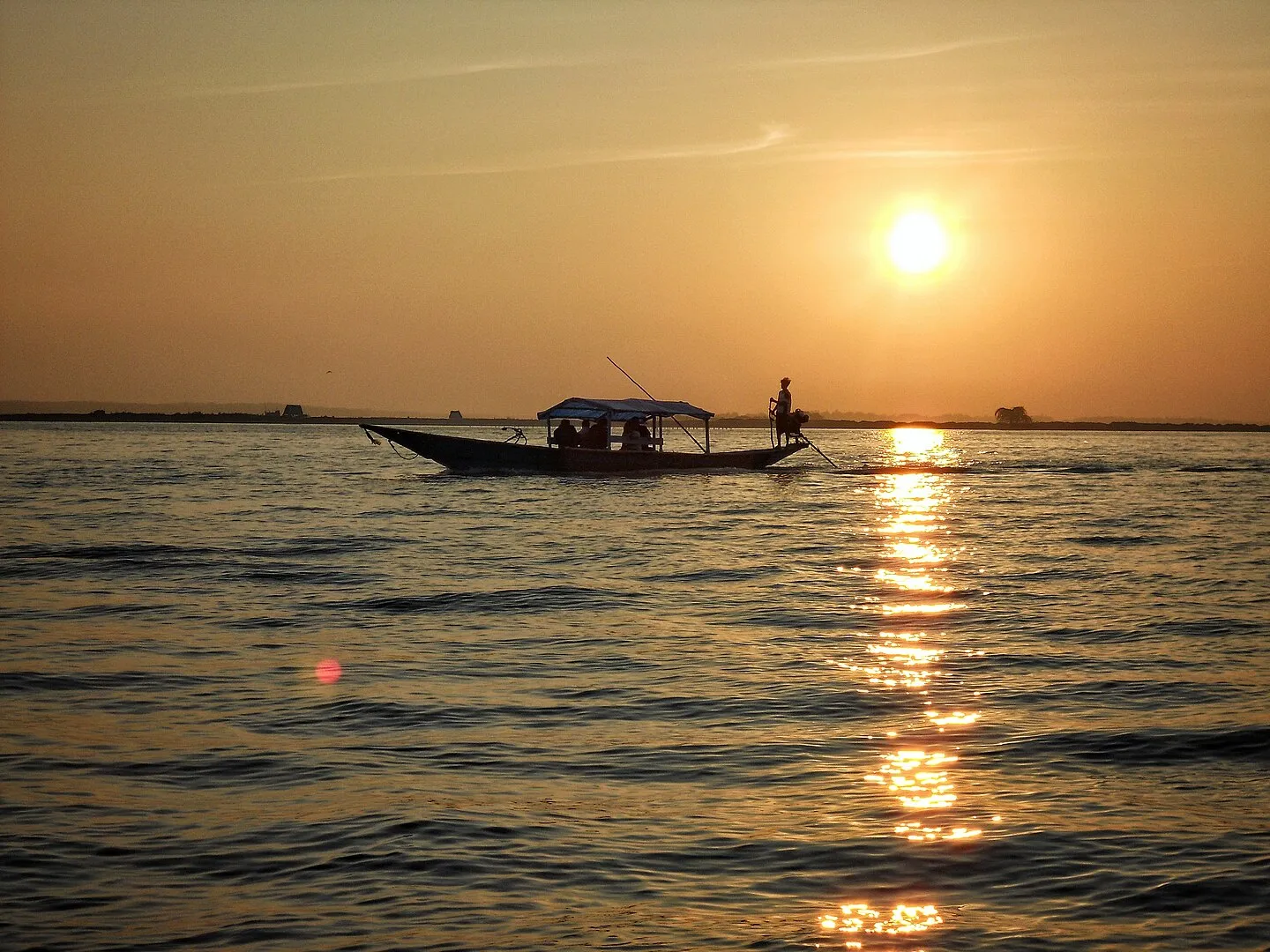
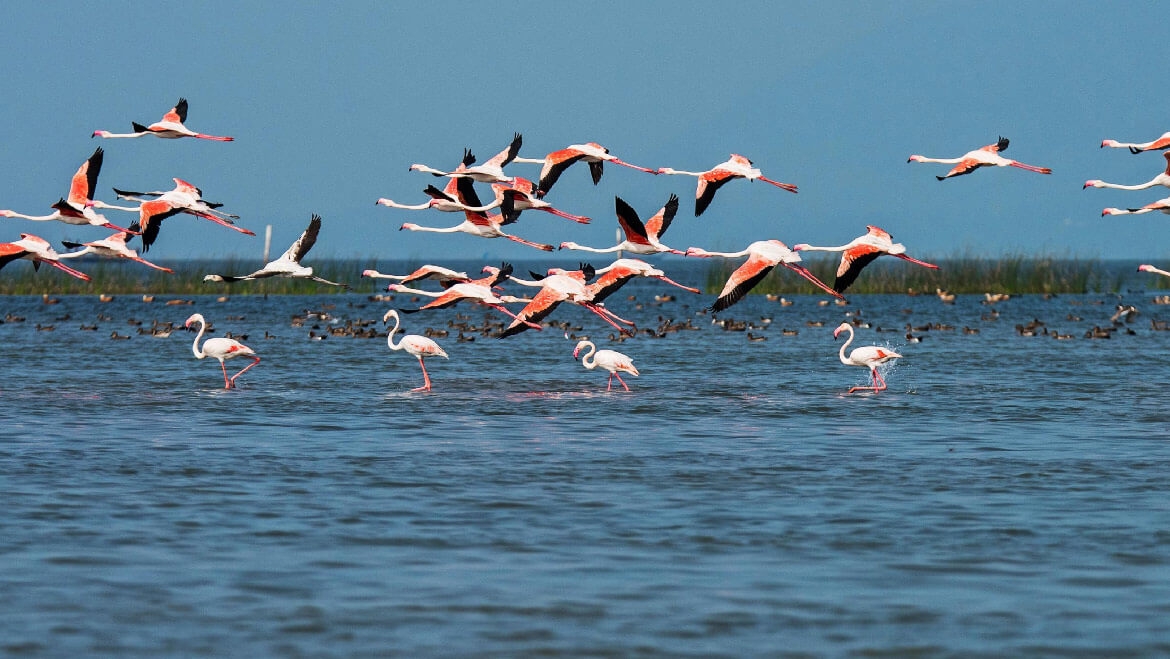
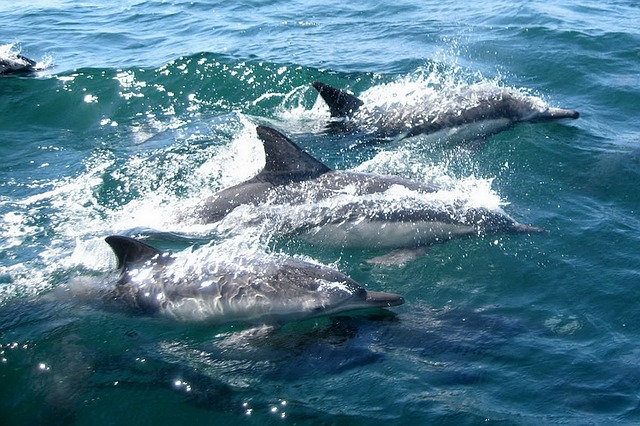
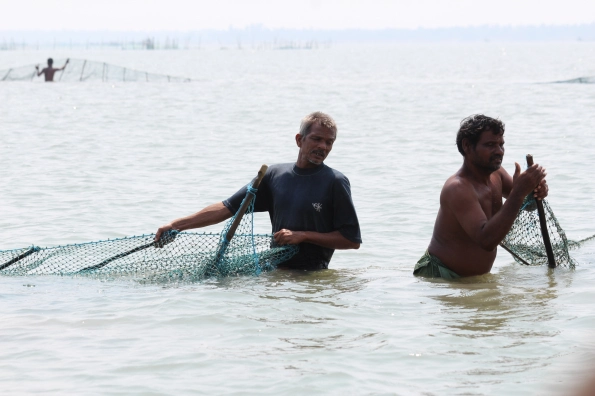
    Spread across the coastal plains of Odisha, Chilika Lake is Asia’s largest brackish water lagoon, renowned for its rich biodiversity and scenic beauty. This vast lake transforms into a paradise during winter when over a million migratory birds arrive from Siberia, Central Asia, and beyond, making it a birdwatcher’s dream. You can take a boat ride from Satapada to spot playful Irrawaddy dolphins, visit the island Kalijai Temple, or explore Nalabana Island, a protected bird sanctuary teeming with flamingos and herons. For an authentic eco-tourism experience, visit Mangalajodi village, where local boatmen guide you through wetlands filled with waterbirds. Don’t miss the chance to taste fresh seafood, including prawns, crabs, and fish, at local eateries around the lake. With its unique ecosystem, peaceful waters, breathtaking sunrises, and endless photography opportunities, Chilika offers an unforgettable escape into nature’s splendour.

    Fun Fact: Chilika Lake is the largest wintering ground for migratory birds in the Indian subcontinent, attracting over 160 species of birds each winter, including flamingos that travel over 12,000 km from Siberia to reach its warm, food-rich waters.

    Conclusion

    From the serene valleys of Himachal and the untouched coasts of Odisha to the mystical ruins of Hampi and tranquil backwaters of Alleppey in the South, India’s hidden gems whisper stories waiting to be heard. These destinations offer not just scenic beauty but soulful experiences away from crowded tourist trails. As you plan your next journey, step off the beaten path and explore the real India — raw, untouched, and breathtakingly beautiful.

    Because the best journeys aren’t found on maps — they’re hidden in plain sight

  • Goodbye To Grit—Test Cricket Loses Its Greatest Competitor

    From the bylanes of Delhi to the battlegrounds of world cricket, he wasn’t just born to play — he was forged by fire.

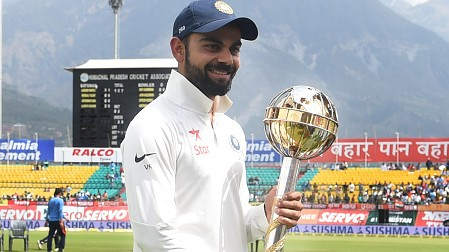
    The boy who lost his father on the eve of a crucial Ranji game didn’t mourn — he played. And in that moment, Virat Kohli gave the world its first glimpse of a warrior built on grit, unshakable resolve, and an unrelenting hunger to win for India. Over the years, that boy would become one of India’s most successful test captains, leading the side in 68 matches and winning 40 — a feat unmatched in Indian cricket history.

    Under his reign, India stopped playing for survival and started playing for dominance. Kohli instilled belief — that Team India could win anywhere, against anyone. And that belief wasn’t just symbolic — he kept India ranked No. 1 in Test cricket for five consecutive years, a testament to consistency, courage, and command. He nurtured a fiery pace attack, backing and shaping pace bowlers like Ishant Sharma, Mohammed Shami, Umesh Yadav, Mohammed Siraj, and Jasprit Bumrah, building a unit that rattled even the best batting lineups across the globe.

    With over 9000 test runs and 30 centuries, his stats are remarkable, but his real legacy lies in the passion, discipline, and fierce nationalism he brought to the red-ball format. It was his energy, his aggression, and his commitment that made Test cricket fun again — engaging a generation raised on T20s to fall in love with the long format.

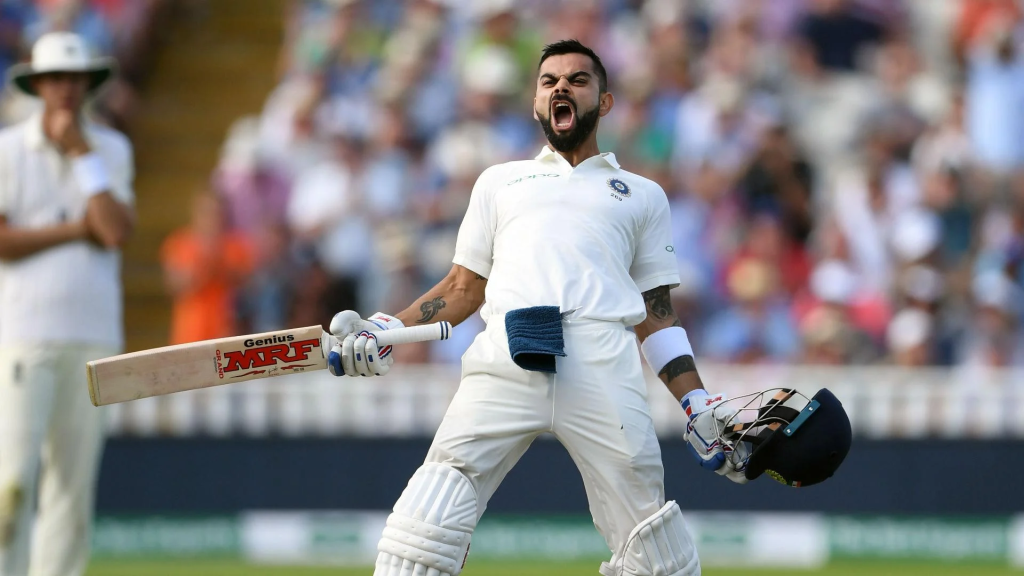
    With fitness that could put a 21-year-old to shame and a level of discipline that was almost monk-like, Kohli didn’t just play cricket — he lived it. His knock of 141 against Australia while chasing an improbable 364 in 2014, gritty 104 against Sri Lanka in overcast Kolkata in 2017, and the iconic 149 in Edgbaston against England in 2018— these are just a few of the masterclasses in his endless gallery of Test brilliance.

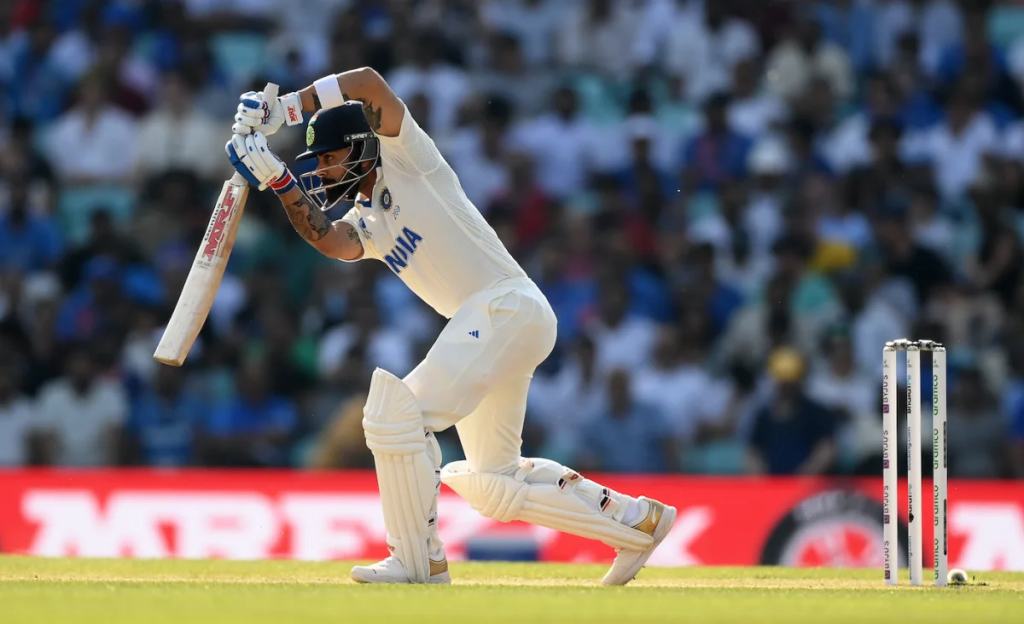
    What sets Kohli apart is that he never let failures define him — he rose every time, fiercer and wiser. He embraced criticism, learned from setbacks, and turned pressure into performance. After the forgettable 2014 England tour, he returned in 2018 to conquer Anderson & Co. on their own turf, scoring 593 runs in the series and overcoming his past demons. He faced the fiercest — Mitchell Johnson, Mitchell Starc, Stuart Broad, Dale Steyn, Trent Boult, and Kagiso Rabada — and yet, his silken cover drive still echoes like poetry across continents, a melancholy reminder of an era of intensity.

    As his red-ball journey comes to an end, the world unites to salute not just a cricketer, but an inspiration and global icon. Yes, much cricket is still left in him — and as fans, we will eagerly wait for his next innings in the IPL and ODIs, hoping to catch another glimpse of the magic. We wish him nothing but success and glory in every tournament he plays going forward.

    “The whites may fade, but his legacy in red-ball cricket will echo through generations.”

Mindscapes in motion

"Exploring Thought, Beyond the Obvious."

Skip to content ↓